Ten years ago, Rainforest Action Network (RAN) responded to an urgent call from frontline allies in Indonesia. Fires, set illegally to clear land for industrial palm oil, were tearing through the Tripa peat swamp— home to one of the world’s densest populations of critically endangered Sumatran orangutans and other iconic species. The destruction ignited a campaign that would grow into one of the most sustained and strategic rainforest protection efforts in our history: the fight to save the Leuser Ecosystem.
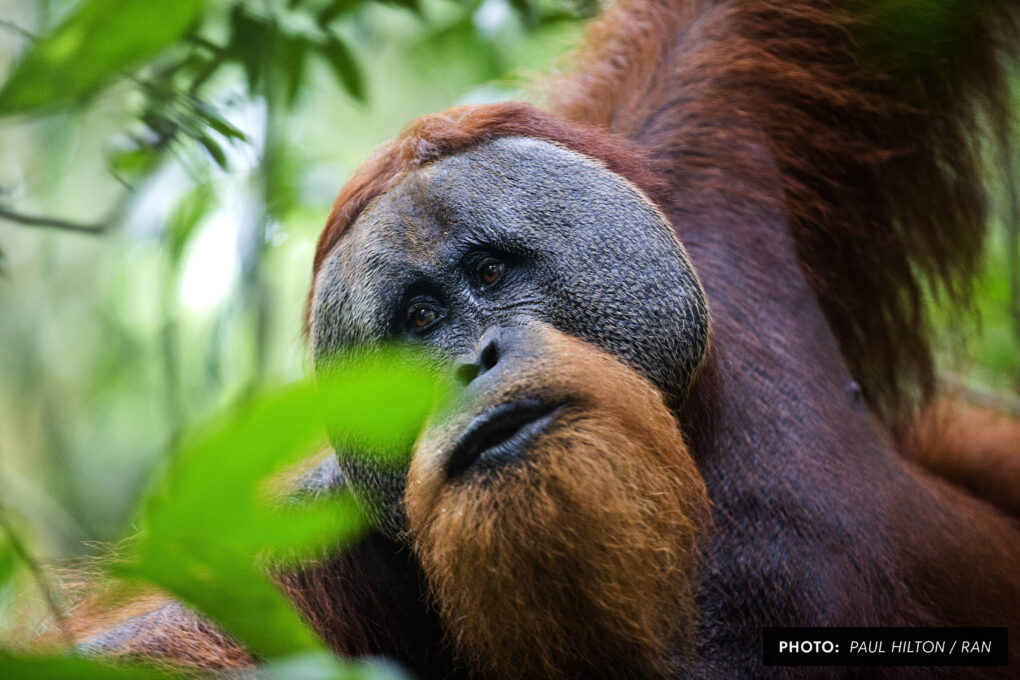
Spanning over 6.5 million acres on the island of Sumatra, the Leuser is the last place on Earth where orangutans, tigers, elephants, and rhinos still coexist in the wild. It’s also a lifeline for millions of people and a globally significant carbon sink. Yet the ecosystem has long been under siege from industrial palm oil expansion, illegal logging, and corporate land grabs.RAN’s strategy was clear: expose the culprits, activate public pressure, and force the world’s largest corporations — brands, traders, and banks — to take responsibility.
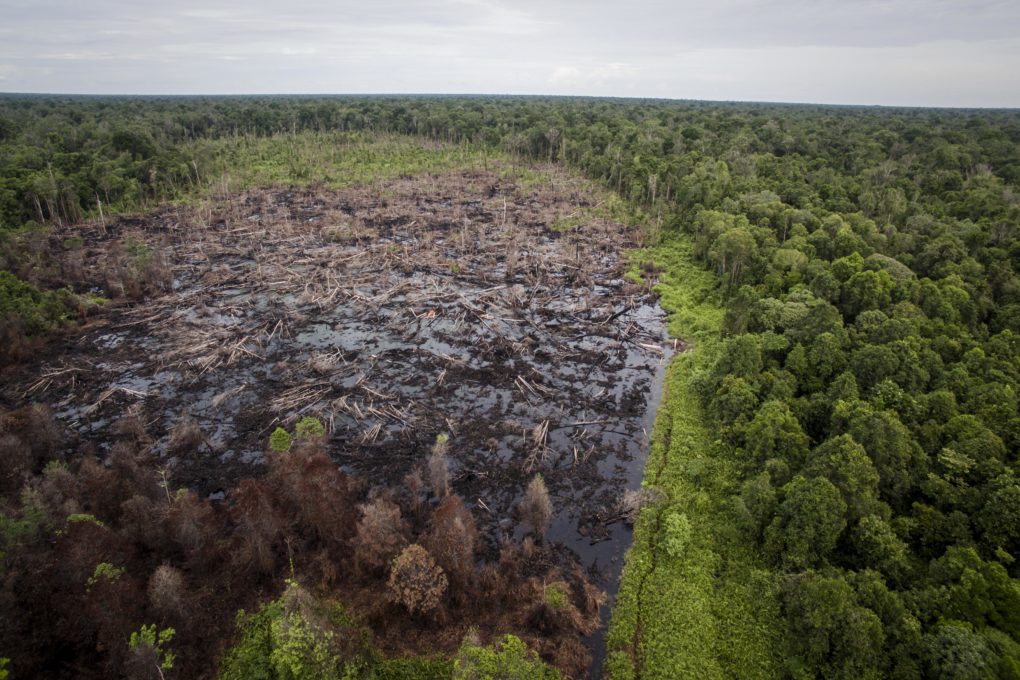
Through a powerful mix of satellite monitoring, field investigations, and supply chain mapping, RAN uncovered and publicized corporate links to forest destruction. We launched global pressure campaigns, including the landmark “Snack Food 20” effort, which targeted household brands like PepsiCo, Unilever, and Nestlé. Combined with the work of our allies and activist investors, this resulted in over 200 major companies adopting No Deforestation, No Peatland, and No Exploitation (NDPE) policies — now the global benchmark for responsible palm oil production.
But we didn’t stop there.
RAN’s efforts helped catalyze an emerging new model for international, rights-based conservation. Since 2019, landscape-level, multistakeholder programs across the province of Aceh have brought together local governments, farmers, communities, companies, and civil society to co-create forest protection models. These programs have restored thousands of hectares of forest, designated “No-Go Zones” for deforestation, and improved livelihoods for smallholder farmers. Today, the Leuser is proving what’s possible when systemic change replaces piecemeal solutions.
A major breakthrough was achieved in August, 2025, when the Aceh Sustainable Palm Oil Working Group was officially launched. Many companies long-targeted by RAN for their links to Conflict Palm Oil are now investing in the Working Group. This exciting initiative involves all the actors critical to achieving lasting success and offers new hope for the Leuser Ecosystem and the communities that depend on it. The key to success will be real, on-the-ground implementation, transparency, and continued pressure to hold companies accountable.
What makes the Leuser a blueprint for the future is not just the scale of impact, but the way it centers Indigenous rights, corporate accountability, and collaborative governance. With enforcement of NDPE policies, traceability to the farm level, and real-time forest monitoring, the Leuser campaign has become a proving ground for innovations that have the potential to offer a template for cleaning up other global supply chains across Indonesia and in other tropical forest regions threatened by forest-risk commodities like soy, beef, and cacao.
Yet, major challenges remain. Loopholes in enforcement, weak corporate follow-through, and ongoing threats from bad actors mean vigilance is as vital as ever.
The Leuser campaign proves that people-powered movements can shift markets, hold corporations accountable, and protect some of the planet’s last great wild places. It offers a tangible model for saving rainforests—one rooted in transparency, justice, and shared responsibility. As we look to the next chapter, RAN will take the lessons from the Leuser to other frontline forest regions, continuing the fight for forests, people, and climate—wherever it’s needed most.