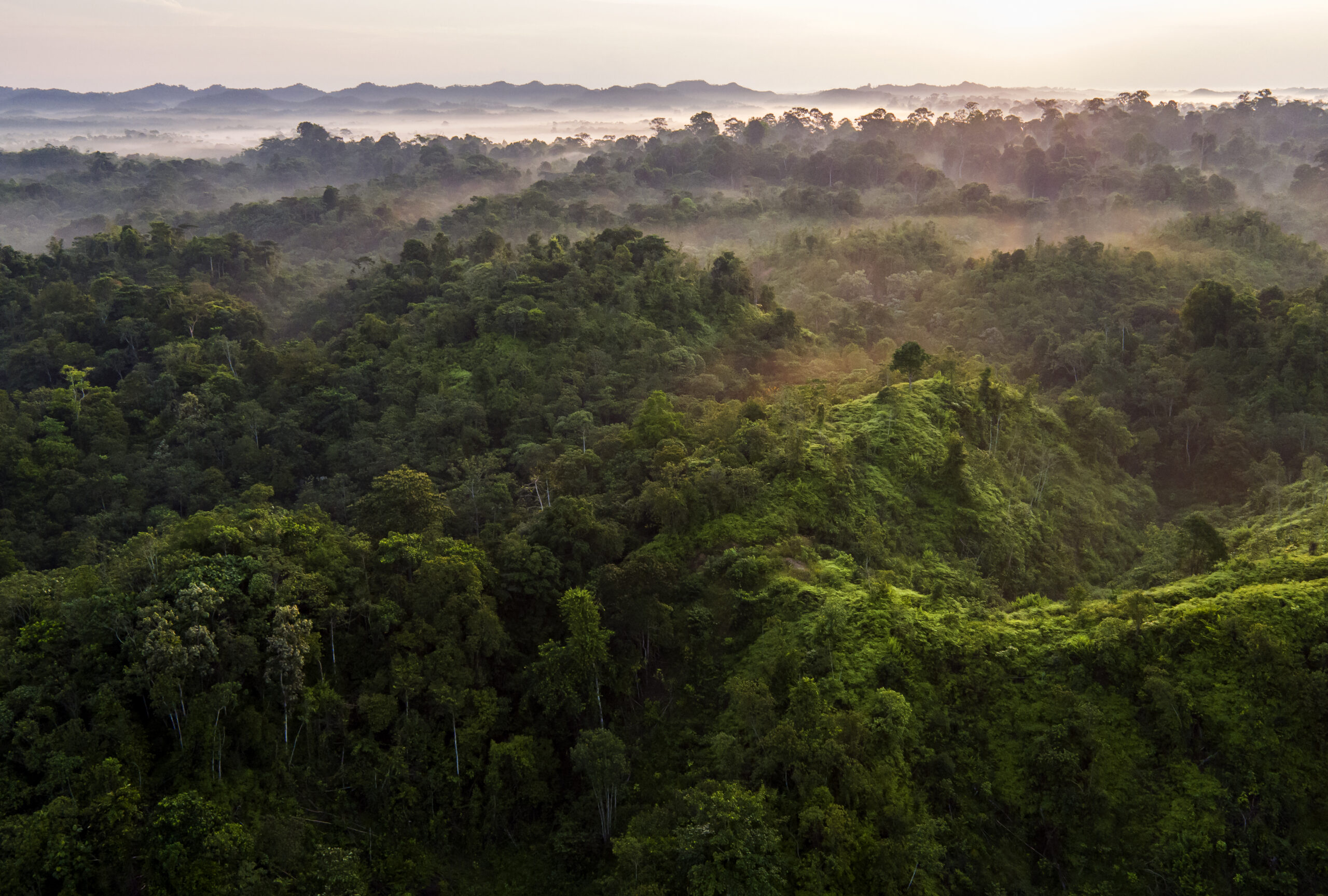
The province of Aceh on the island of Sumatra in Indonesia, is home to some of the last remaining intact lowland rainforests in Southeast Asia—including the globally significant Leuser Ecosystem, one of the richest biodiversity hotspots on Earth. But for years, unsustainable palm oil expansion has driven large-scale deforestation, peatland degradation, and widespread human rights violations across the region. For over a decade, Rainforest Action Network (RAN) has campaigned to hold global brands, palm oil traders, and producers accountable for their role in the destruction of Aceh’s forests. These companies have been repeatedly linked to deforestation and land grabbing. Now, however, momentum for lasting change is building. Local communities are increasingly demanding recognition of their customary forests rights, the Aceh government has expressed renewed commitment to long-term forest conservation, and international brands and financiers are under growing pressure to clean up their supply chains.
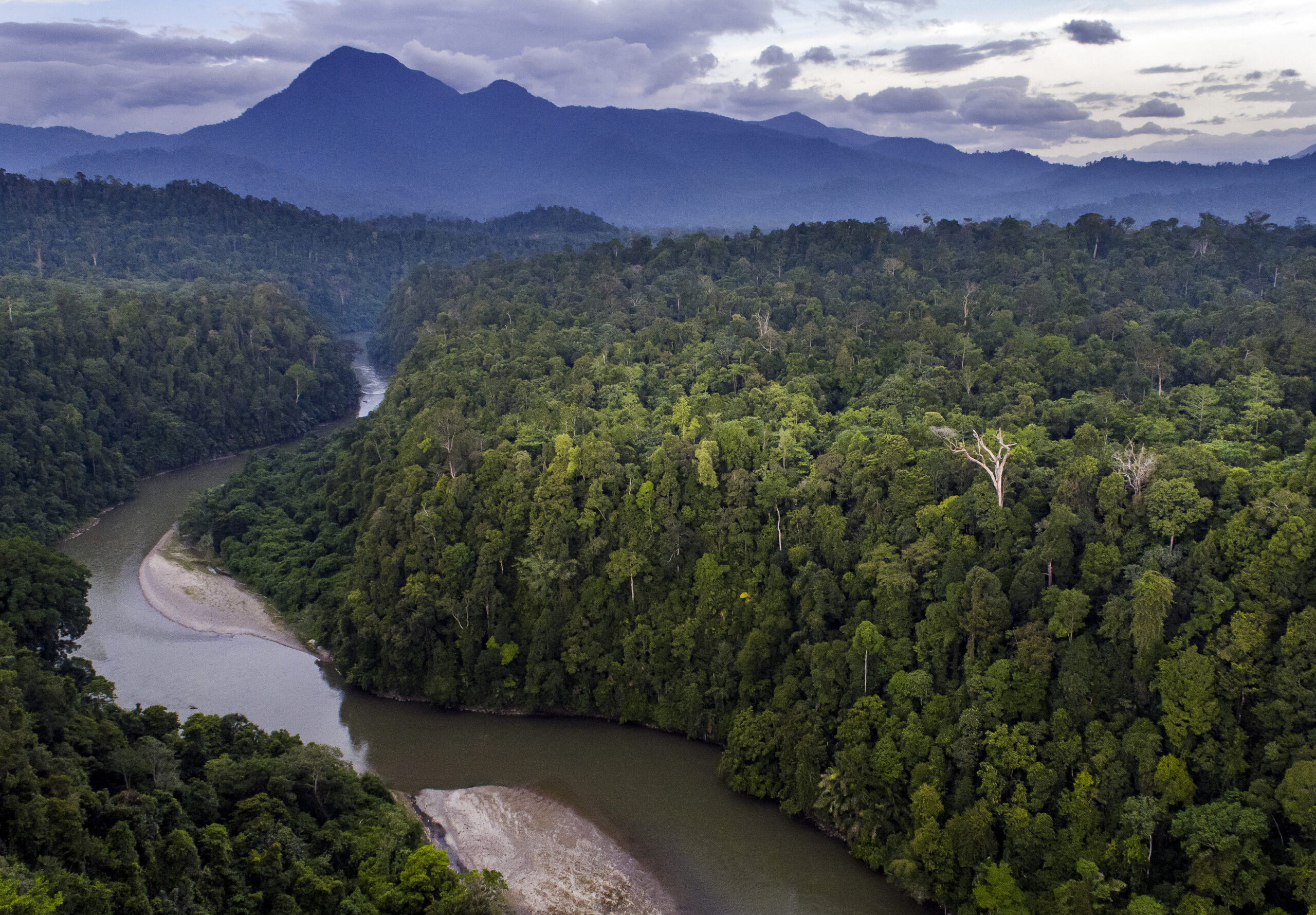
Amid this shifting landscape, a major breakthrough was achieved. On August 12–13, 2025, the Aceh Sustainable Palm Oil Working Group (ASPOWG) was officially launched—a multi-stakeholder initiative aimed at transforming Aceh’s palm oil industry into one that is sustainable, inclusive, and free from deforestation and exploitation. The launch event was hosted by the newly elected Vice Governor of Aceh, alongside provincial and national authorities responsible for forestry, agriculture, planning, and conservation. This launch also presents leading palm oil traders, global consumer brands, and civil society organizations committed to advancing responsible palm oil practices.
ASPOWG brings together some of the world’s largest palm oil buyers and producers—PepsiCo, Unilever, Mars, Mondelēz, Nestlé, Golden Agri Resources, Musim Mas, Apical and Permata Group—under the coordination of Yayasan Inisiatif Dagang Hijau (Yayasan IDH). This voluntary platform is designed to accelerate the implementation of the Aceh Sustainable Palm Oil Roadmap, a government-led strategy established under Governor Regulation No. 9 of 2024. The Roadmap outlines clear targets to increase smallholder productivity, prevent deforestation and restore degraded forests, resolve land conflicts with Indigenous and local communities, and ensure a fairer, more transparent palm oil supply chain.

Many of the companies that are now part of ASPOWG have long been linked to sourcing Conflict Palm Oil from the Leuser region. Under mounting consumer and activist pressure, they have adopted No Deforestation, No Peatland, and No Exploitation (NDPE) policies. Now, through ASPOWG, they are being called to implement those commitments on the ground, at scale, and in full collaboration with local stakeholders. Participation in ASPOWG reflects a growing industry understanding that true transformation of the palm oil sector requires collective accountability, long-term investment, and landscape-level collaboration.
Gemma Tillack, RAN’s Forest Poliy Director, expressed optimism about the initiative’s potential:
“RAN welcomes the launch of the Aceh Sustainable Palm Oil Working Group as a much-needed, long-overdue step towards halting the devastating effects of palm oil expansion in this vital region. This initiative offers new hope for the Leuser Ecosystem and the communities that depend on it. The key to success will be real, on-the-ground implementation, transparency, and continued pressure from local stakeholders and global consumers to hold companies accountable.”
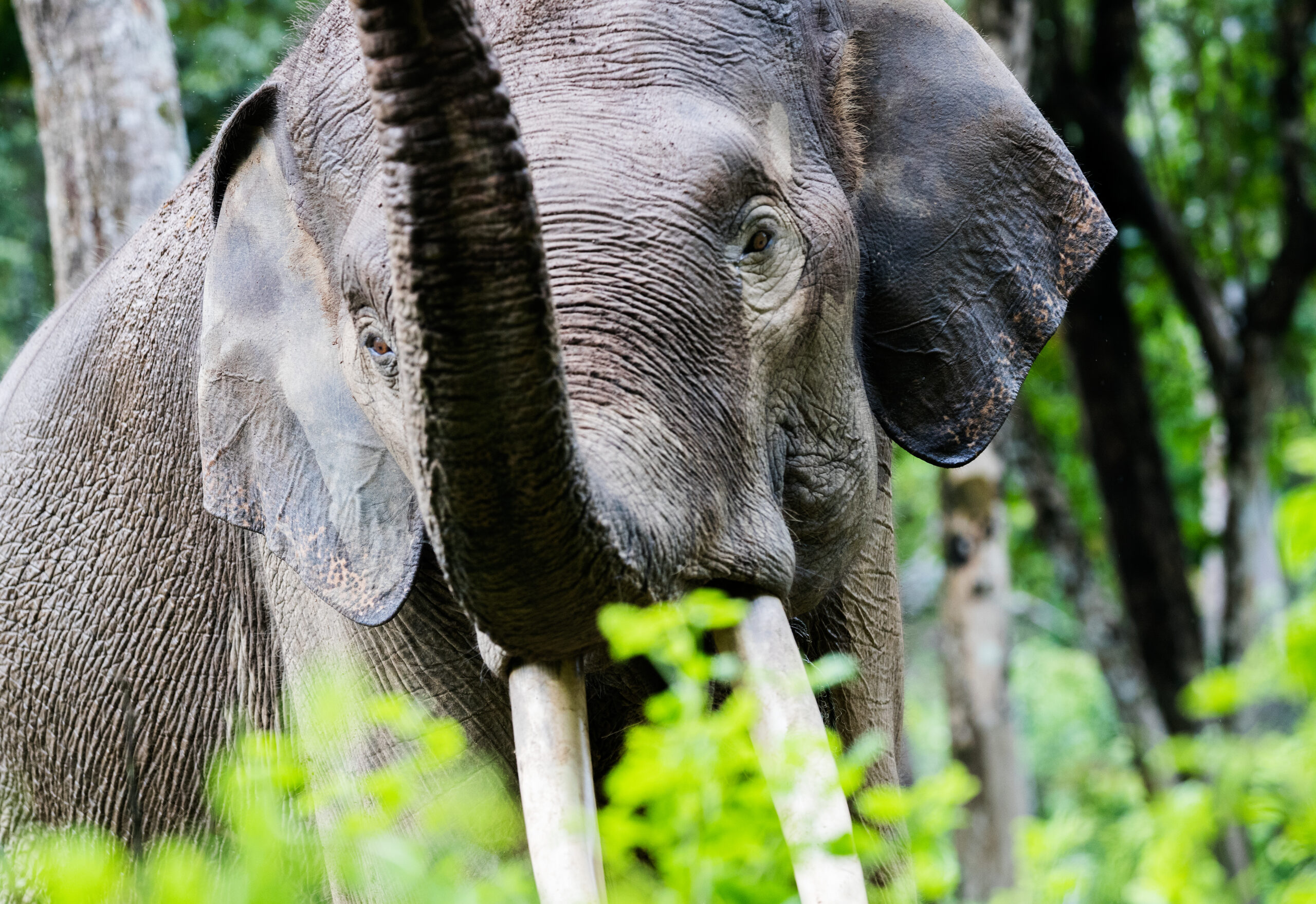
Still, critical threats persist. Industrial palm oil continues to encroach on the Leuser Ecosystem, particularly in the Singkil-Bengkung Trumon landscape—home to Southeast Asia’s largest and most carbon-rich peatlands. The Rawa Singkil Wildlife Reserve, a legally protected conservation zone, is still being illegally cleared for new palm oil plantations. To address this, a dedicated Program Management Unit (PMU) has been established to lead the implementation of the Roadmap. One of its top priorities is the development of a collaborative deforestation monitoring and rapid response system, aimed at stopping illegal expansion in real time and protecting critical ecosystems like Rawa Singkil.
The launch of ASPOWG signals a new chapter in the fight to protect the Leuser Ecosystem—but the work is far from over. Real progress will depend on transparency, accountability, and continued pressure from civil society, Indigenous communities, and consumers around the world. The window for change is open. What happens next is still up to all of us.