Key Findings
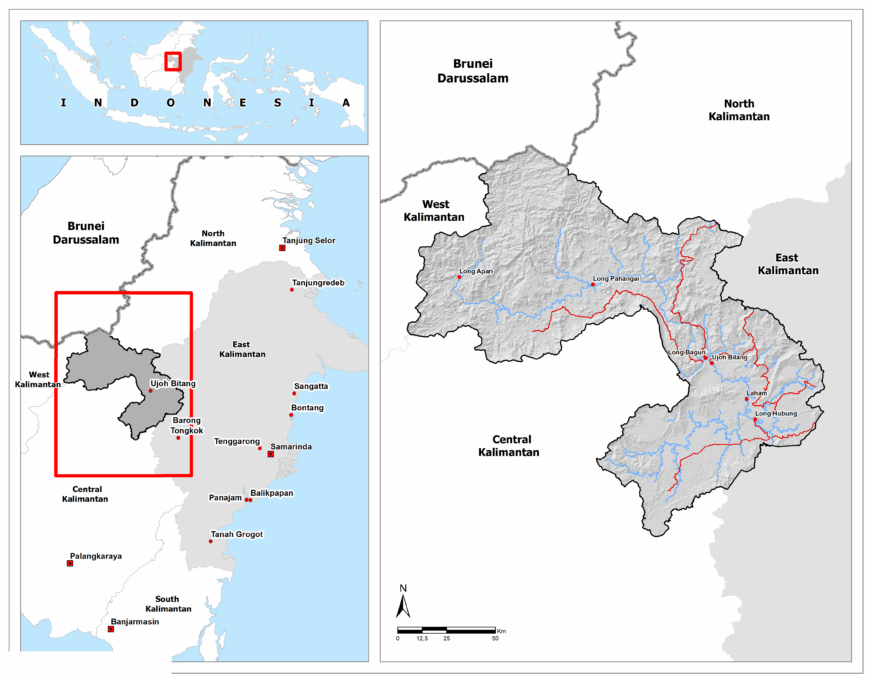
- Mahakam Ulu Regency, which is located in the middle of the Kalimantan forest landscape bordering Malaysia, is a part of Kalimantan’s last forest backbone and biodiversity hotspots. It is also the upstream area of the second-longest river in Indonesia, the Mahakam River. With an administrative area of 1,531,500 hectares, about 89.5% of the area is still tropical forest, which has high biodiversity potential.
- Nusantara Atlas estimated that in 2023, Mahakam Ulu still had 1,571,456 hectares of forest cover remaining, or about 85% of the district’s administrative area. This remaining forest is under threat by deforestation for the conversion of forests to palm oil plantations that began in early 2010, with the area of oil palm concession in 2023 being around 33,982 ha, pushing many species toward extinction and driving biodiversity toward collapse.
- Key finding of the forest footprint evaluation in RAN’s Keep Borneo’s Forest Standing report 2021 shows that 172,709 hectares of rainforests have been converted to oil palm plantations in East Kalimantan — controlled by major corporate suppliers — channeling forest-risk commodities into global supply chains. Much of this deforestation overlaps with Indigenous Dayak territories, threatening their livelihoods, cultural survival, and land rights. Despite corporate “zero-deforestation” pledges, these industrial corporations continue to drive ecosystem collapse and human rights violations through their sourcing practices.
In the heart of East Kalimantan, where the Mahakam River meanders through dense tropical forests and ancient peat swamps, lies one of Borneo’s last living ecosystem backbones — the Mahakam Landscape. This vast mosaic of rainforests, rivers, and wetlands still carries the memory of an island once blanketed in green.
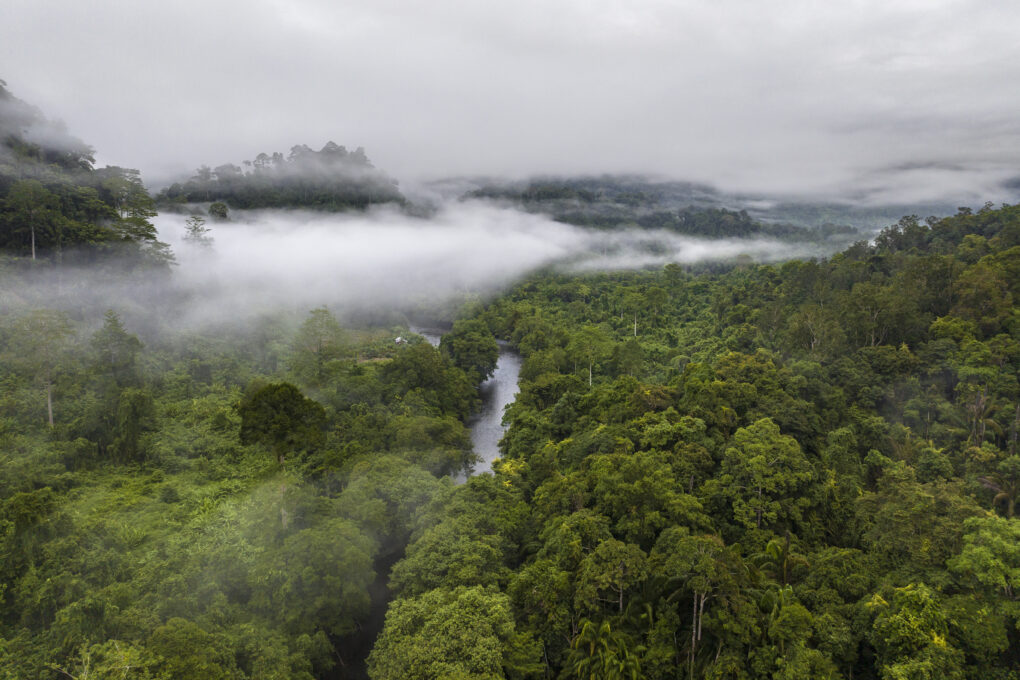
The Mahakam landscape refers to the watershed of Indonesia’s second-longest river, which flows for 931 km. This landscape stretches over 77,000 km² and is divided into upstream and downstream areas. The upper river area located in Mahakam Ulu regency is one of the last bastions of intact rainforest in the landscape — it forms part of the backbone of biodiversity in Kalimantan, connecting forest corridors in the provinces of West Kalimantan and North Kalimantan. Lower Mahakam, which lies in the two other adjacent regencies of West Kutai and Kutai Kartanegara, is also home to critical wetlands and peatlands, yet extractive industries are already having a destructive impact.
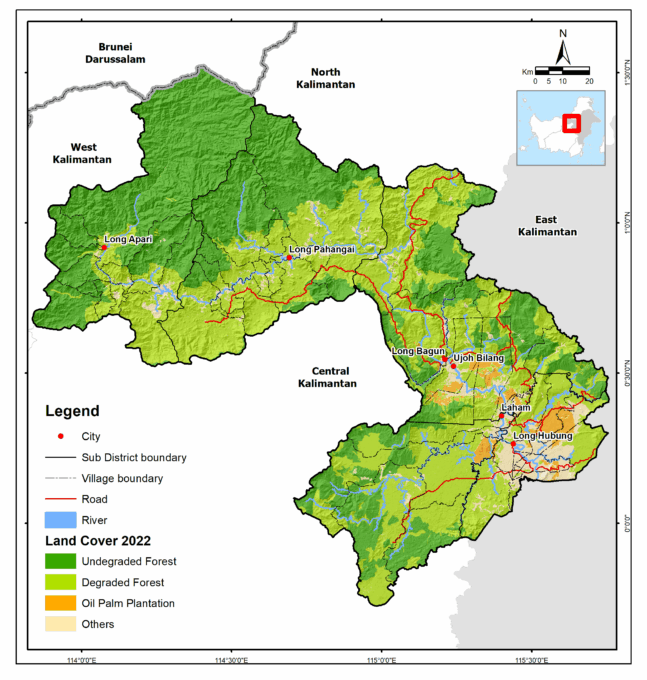
For years, the importance of Mahakam Landscape has been overshadowed by other, more famous forests such as Leuser or the Amazon. But this landscape has faced the alarming reality of losing more than half of its forest cover since the 1970s to the expansion of agribusiness industries such as palm oil, mining, and logging. Now, the Mahakam forests serve as the critical foundation maintaining the integrity and connectivity of the landscape.
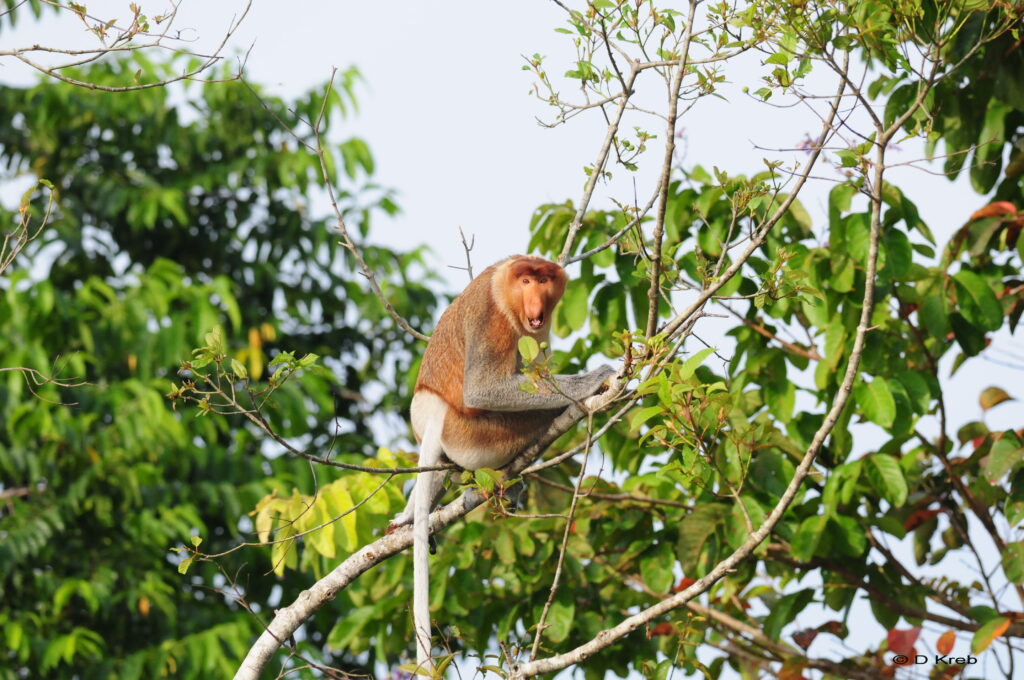
But the Mahakam landscape is more than its forests and rivers. In a world gripped by a biodiversity crisis, this landscape remains an ark of life — home to the critically endangered Irrawaddy dolphin (known locally as the Mahakam river dolphin), Bornean orangutans, helmeted hornbills, sun bears, and thousands of other unique species. Each plays a vital role in maintaining the ecological balance that sustains us all.

Much of this biodiversity survives today because Indigenous Peoples — particularly the Dayak — have protected the region for generations. And now, the preservation of this landscape and the recognition of Indigenous territories is their last and best hope for survival. The Dayak Lebo, Modang, Bahau, and many other Indigenous Peoples make the Mahakam their home and do not view the forest as a resource to be exploited, but rather as a relative to be respected. Their worldview is based on reciprocal relationships, as the health of the forest is the health of the community.
Their traditional ecological knowledge, which is passed down verbally from generation to generation, is deeply rooted in these communities’ natural surroundings and environment. They are attuned to the rhythms of the seasons, the behaviors of wildlife, and ecological changes. This reciprocal relationship is maintained through rotational farming practices, traditional ceremonies that honor the spirits inhabiting the forest, and the management of rivers and forests in accordance with customary laws.
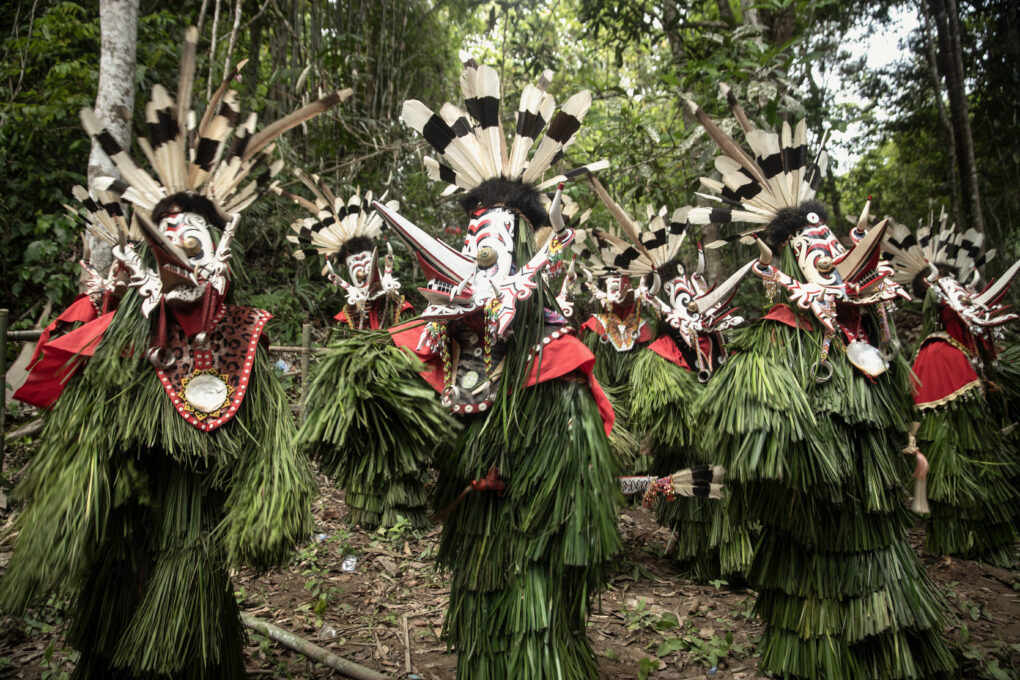
Today, these stewardship practices are under threat from expanding plantations, mines, and industrial concessions that disregard customary rights. Yet Indigenous communities continue to defend their territories, asserting that the protection of the Mahakam is not only essential for their cultural survival but for the stability of the global climate, the health of Borneo’s ecosystems, and the future of all who depend on these forests.
Global Demand for Palm Oil Has Put Mahakam Landscape Under Threat
In recent years, industrial threats to the Mahakam landscape have intensified. Oil palm concessions, logging, coal mining, and infrastructure projects such as the Trans Kalimantan highway and Indonesia’s new capital city (Nusantara) are placing new pressures on the landscape. Roads cut deeper into forests, fragmenting habitats and opening up access for further exploitation. The balance is being upset — and without immediate intervention, this damage could become irreversible.
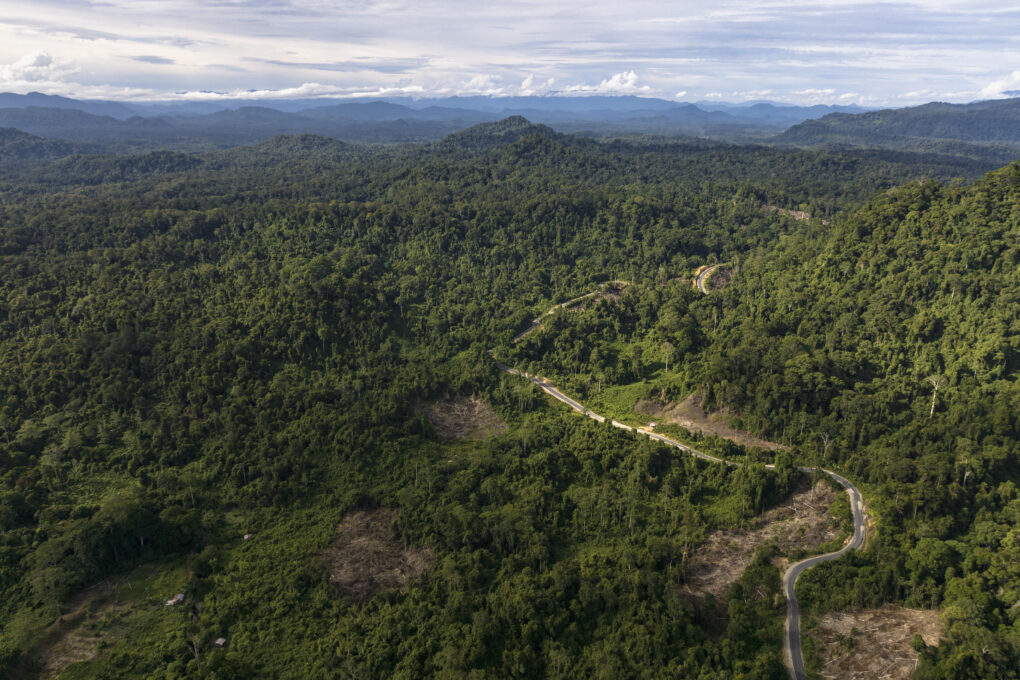
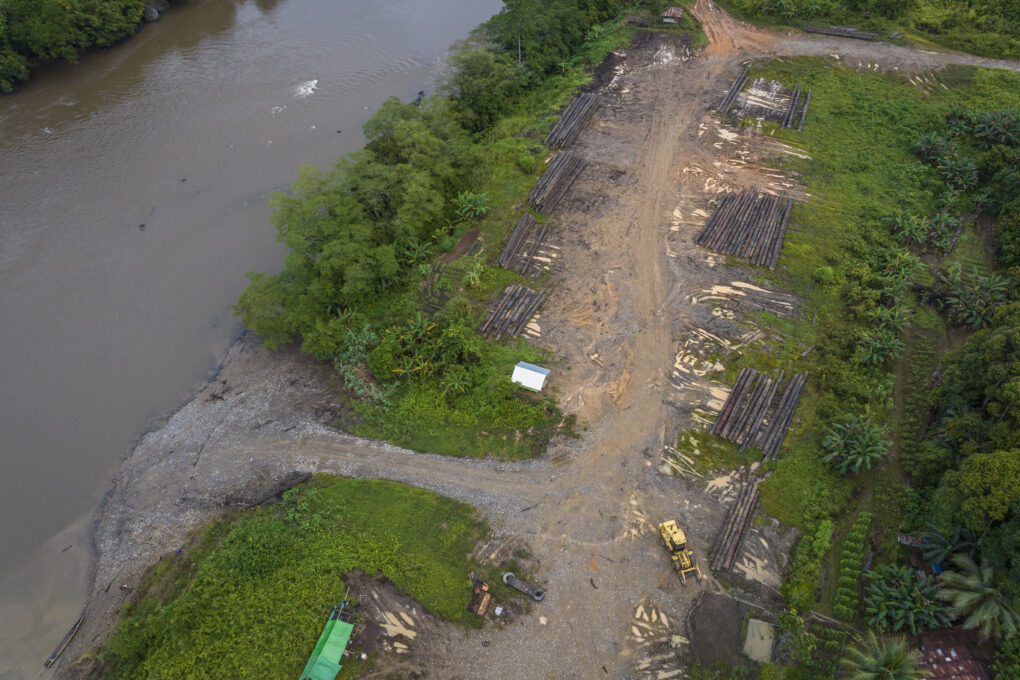
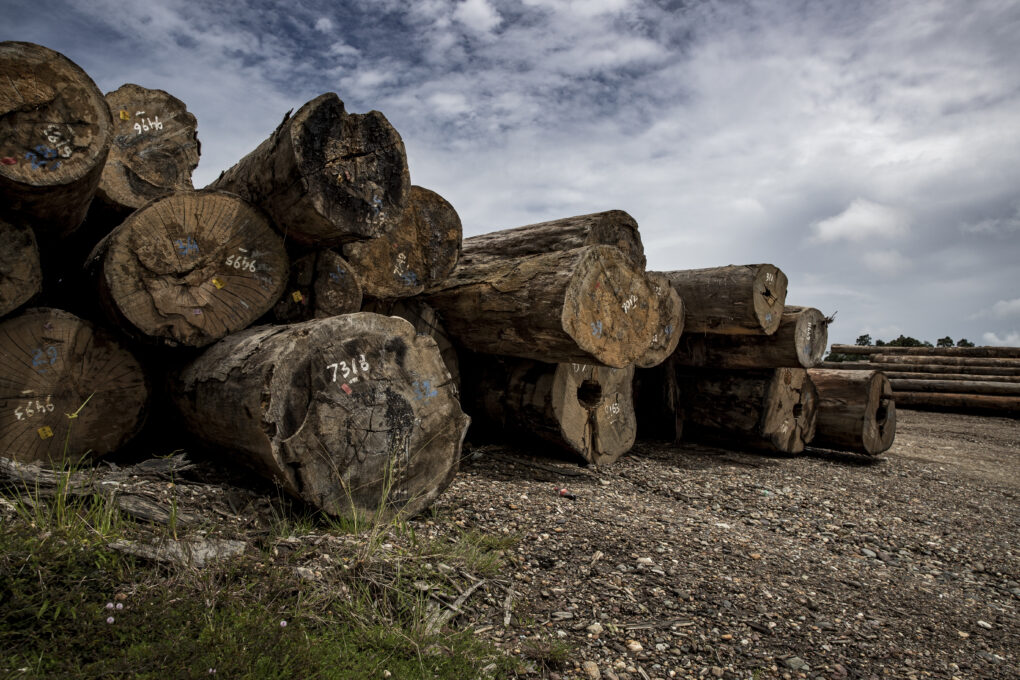
According to Global Forest Watch, East Kalimantan has lost 3.1 million hectares of tree cover from 2001 to 2024, 27% of the province’s forest coverage in 2000, and 2.1 Gt of CO₂e emissions, making it one of the top five provinces in Indonesia for tree cover loss.
In Mahakam Ulu alone, over 65% of the regency’s land area is now threatened by permits for oil palm, coal mining, and industrial logging. The regency has at least 18 oil palm concessions and 29 logging permits affecting the region’s forest and river ecosystems and food security. If current trends continue, the Mahakam landscape could lose another 20% of intact forest by 2030, further fragmenting and harming habitats for orangutans, hornbills, freshwater dolphins and displacing Indigenous communities.
RAN’s Keep Borneo’s Forests Standing report, published in 2021, exposed how global brands were linked to this destruction through their palm oil and timber suppliers in the region, including the Harita Group. These brands sourced their palm oil, pulp, and timber from powerful companies who continue to expand their operations into forests and Indigenous territories. Behind many of the shiny products lining supermarket shelves lies a supply chain linked directly to some of the most destructive corporate groups in the world.
Since 2015, analysis from Nusantara Atlas estimates that over 110,000 hectares of natural forests have been lost across just three districts of East Kalimantan that run along the Mahakam river watershed (Mahakam Ulu Regency, West Kutai Regency and Kutai Kartanegara). Industrial oil palm expansion has boomed over the last ten years, with 150,000 hectares of industrial-scale plantations established (2015-2024). New palm oil mills, kernel crushing facilities and refineries have been constructed, driving demand for ramped-up production upstream.
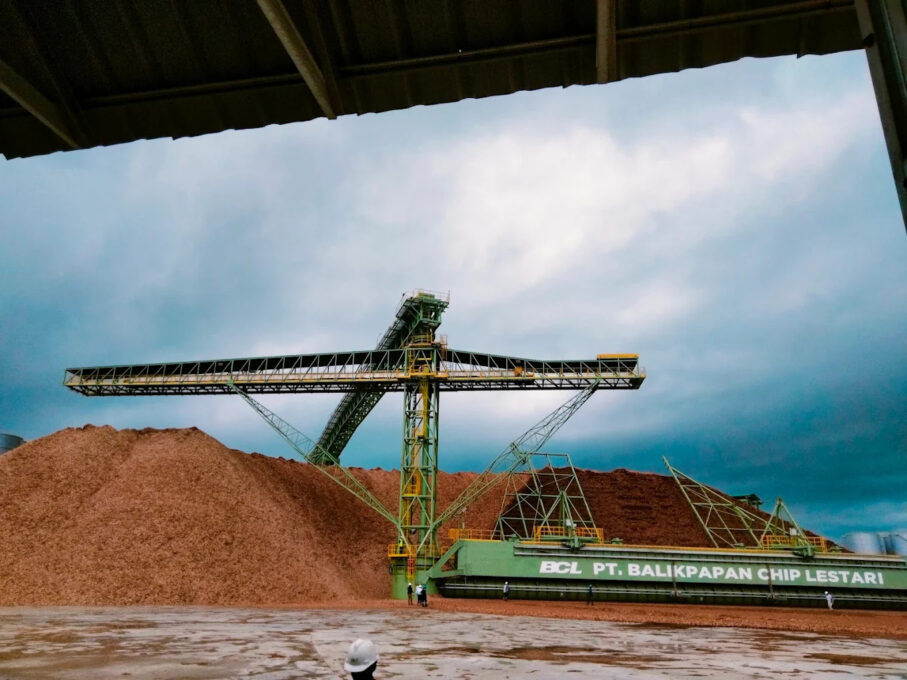
Industrial pulpwood plantations have also expanded rapidly, 88,000 ha of plantations developed between 2015-2024, with around 10,000 ha of this resulting in deforestation. Royal Golden Eagle-linked wood chip mill in Balikpapan, together with its new megascale pulp mill in Tarakan, North Kalimantan, are major drivers of demand for pulpwood in the region. This new demand represents a major threat to the Mahakam’s forests.
These numbers may be an underestimate as the data only analyses areas where oil palms have been planted for five years or more — meaning it doesn’t capture recent deforestation.
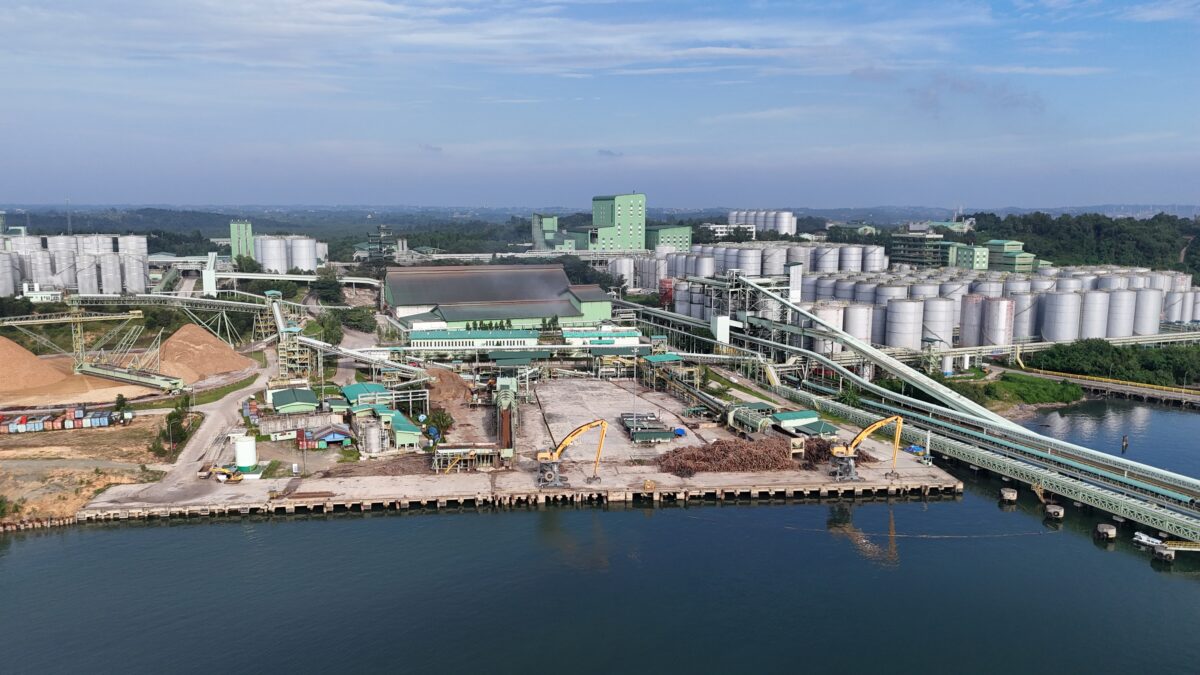
The damage extends beyond palm oil. From 2009 to 2019, massive tracts of rainforest were also cleared for timber and pulp plantations.
The Path Forward: Standing With Indigenous Peoples, Guardians of Biodiversity
In 2023, RAN documented the story of Long Isun, a Dayak Bahau Umaq Suling community whose ancestral forests cover more than 80,000 hectares in Mahakam Ulu. The Dayak Bahau people have long been recognised as the living guardians of biodiversity in the Mahakam landscape. For generations, they have protected vast stretches of ancestral forest — rich with rare medicinal plants, towering dipterocarps, and the wildlife that depends on them — through customary laws and intimate ecological knowledge passed from one generation to the next. Their stewardship is not just cultural; it is an active conservation system. By maintaining sustainable swidden cycles, protecting sacred forest zones, and managing rivers with precision honed over centuries, the Dayak Bahau sustain some of the most intact ecosystems left in Borneo. Today, as industrial pressures encroach deeper into their territories, their role as biodiversity guardians has never been more vital. Protecting Dayak Bahau land rights means protecting one of the world’s irreplaceable reservoirs of life.
Their struggle is not just for their land — it’s for the future of Borneo’s last biodiverse refuge and the stability of our climate.
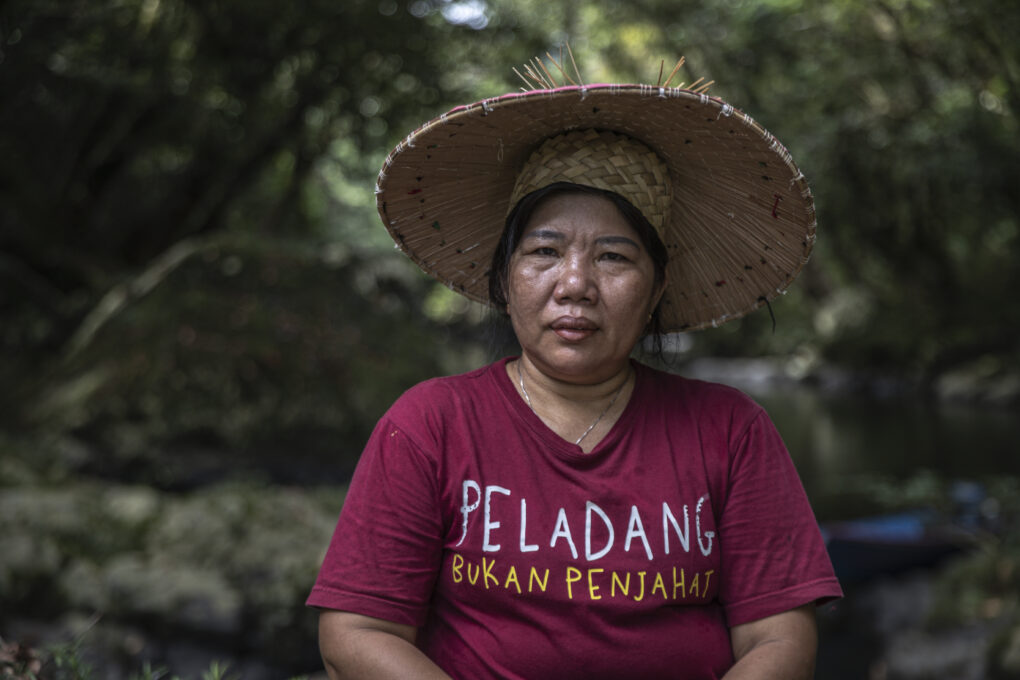
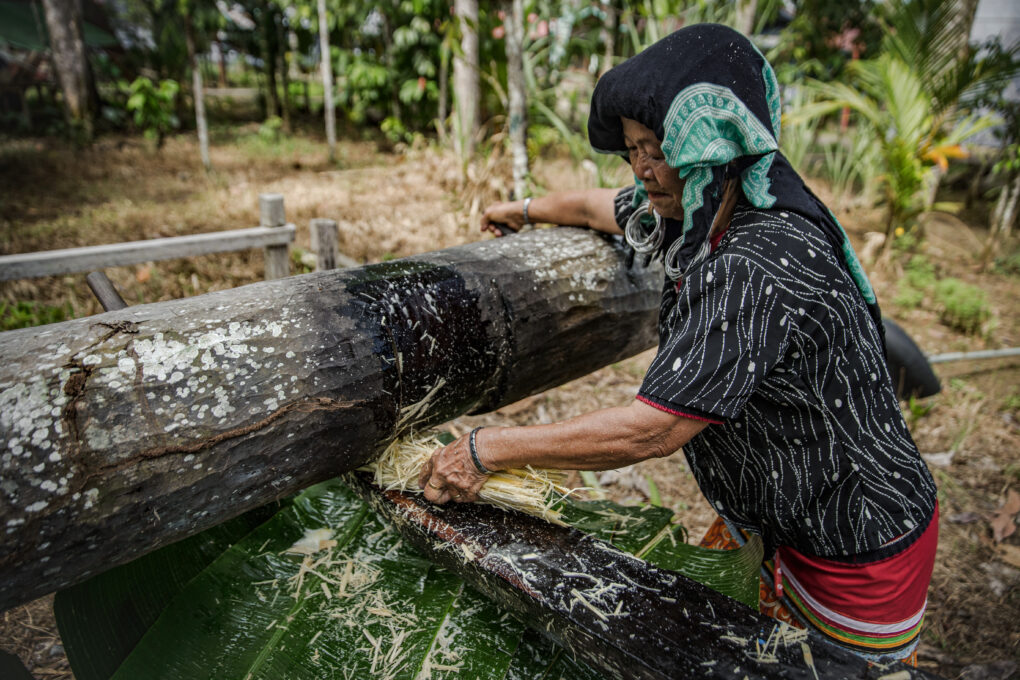
If the world is serious about halting biodiversity loss and averting climate catastrophe, it must start by recognising Indigenous Peoples’ rights. Studies show that the most biodiverse and intact forests are found in Indigenous territories. Yet these lands receive the least protection and are most vulnerable to corporate exploitation.
To address this issue, a local collective campaign called Aura Mahakam was launched to encourage the public throughout Indonesia and the world to protect the Mahakam landscape by the Mahakam Landscape Coalition. This campaign is intended to reclaim the narrative of the natural environment and ecosystem that supports the lives of Indigenous Peoples in the Mahakam landscape, challenge and decolonise the dominant development narrative by the extractive industries that have historically erased and marginalised Indigenous stewardship practices.
Indonesia has pledged to reach Net Zero Emissions by 2060, and global corporations are pouring money into “nature-based solutions.” But these promises mean little unless they truly shift power — by securing Indigenous land tenure, directing conservation finance to local communities, and holding corporations accountable for deforestation in their supply chains.
The fate of Mahakam’s landscape — and the life they sustain — rests with those who have always protected them. Supporting the Dayak and other Indigenous guardians is not just an act of justice; it’s our best hope for a living, biodiverse planet.
Protect the Mahakam Landscape. Stand with Indigenous Peoples. Keep Borneo’s forests standing.
