Global brands invest in innovative initiatives involving regional governments and civil society
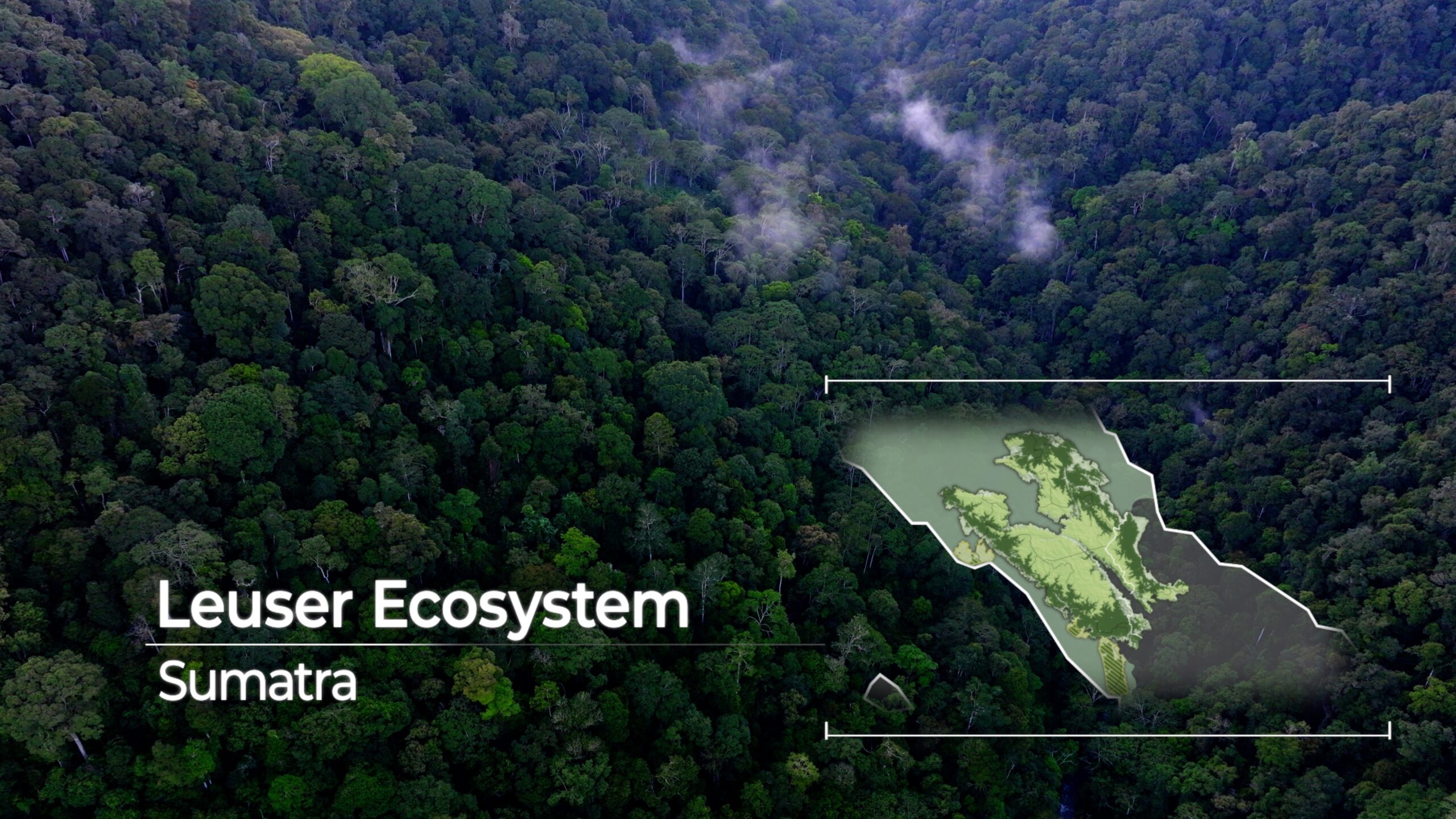
Spanning over 6.5 million acres on the island of Sumatra, the Leuser Ecosystem is the last place on Earth where orangutans, tigers, elephants, and rhinos still coexist in the wild. It’s also a lifeline for millions of people and a globally significant carbon sink. Yet, the ecosystem has long been under siege—from industrial palm oil expansion, illegal logging, and corporate land grabs. The good news is that new initiatives are emerging that may help deliver long-term protection for the most important areas of tropical rainforests and peatlands in the Indonesian province of Aceh.
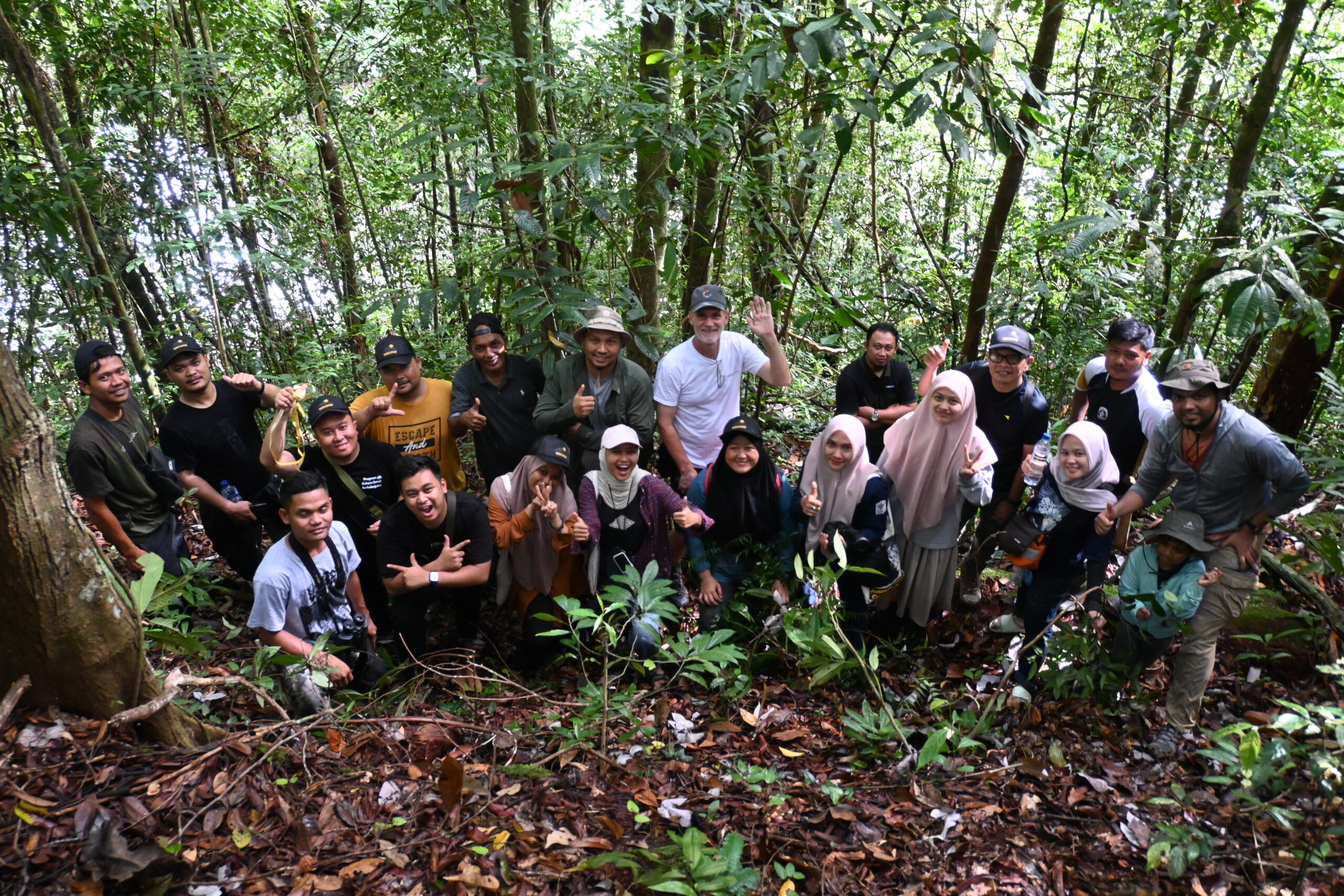
In July 2025, the Aceh Government, through the Aceh Development Planning Agency (Bappeda), began efforts to train government officials and civil society organizations in the tools used to identify High Conservation Value (HCV) areas and High Carbon Stock forests across Aceh. The initiative was funded by PepsiCo, Unilever, IDH and major palm oil trader Musim Mas and training was undertaken with implementation support from the Lestari Ecosystem Foundation (YEL), the Leuser Conservation Forum (FKL), and the HCV Network. The initiative was referred to by the organizers as a significant milestone in sustainable landscape management in Aceh.

The kick off event for the HCV-HCS training was held in Banda Aceh July 1, 2025, and was attended by several Task Implementation Units (UPT) of the Indonesian Ministry of Forestry, the Aceh Environment and Forestry Agency (DLHK), Bappeda, and the Environmental Services Office of all districts/cities in Aceh, Forest Management Units (KPH) I-VI, civil society organizations (CSOs), academics, and the private sector.
After years of being exposed for their role in driving the destruction of rainforests, major brands and palm oil traders adopted No Deforestation, No Peatland and No Exploitation (or in short NDPE) policies that set a new standard for responsible palm oil production. This standard requires the protection of areas that have High Conservation Values and High Carbon Stock forests. In order for this standard to be implemented on forest frontlines where it matters, palm oil producers, governments and communities need to understand these concepts and know how to use the tools that have been developed to identify and protect areas that have High Conservation Values and High Carbon Stock forests. Both methods are now global standards for forest protection and have more recently been integrated into various policies in Aceh.

Identifying High Conservation Value (HCV) areas with biological, ecological, social, or cultural values considered critically important is an integral part of the approach. HCV areas include areas with high biodiversity, rare or threatened ecosystems (HCV 1), intact forest landscapes (HCV 2), rare ecosystems or habitats (HCV 3), or areas that provide critical services like water catchments (HCV 4). Cultural sites, sacred customary forests, and sites and resources that are fundamental to meeting the basic needs of Indigenous or local communities are known as HCV 5 or 6 areas. HCV 5 and 6 areas must be identified through engagement with Indigenous Peoples and local communities. The HCV concept was developed nearly 20 years ago by the HCV Network.
In his remarks during the kick-off event, the Head of the Aceh Regional Development Planning Agency (Bappeda), Dr. Husnan, through Dr. Hasrati, emphasized the Aceh Government’s commitment to preserving forests, including the globally important Leuser and Ulu Masen Ecosystems. He also encouraged all stakeholders to work together to achieve fair, transparent, and sustainable forest management.

Intensive training was held for prospective HCV-HCSA assessors in Langsa City and Aceh Tamiang from July 7-11, 2025. This training aimed to strengthen the capacity of the government, CSOs, and the private sector to conduct HCV-HCSA assessments at the grassroots level.

The intensive training course included training participants in the methods used to identify High Carbon Stock forests in the field using the High Carbon Stock Approach https://highcarbonstock.org/
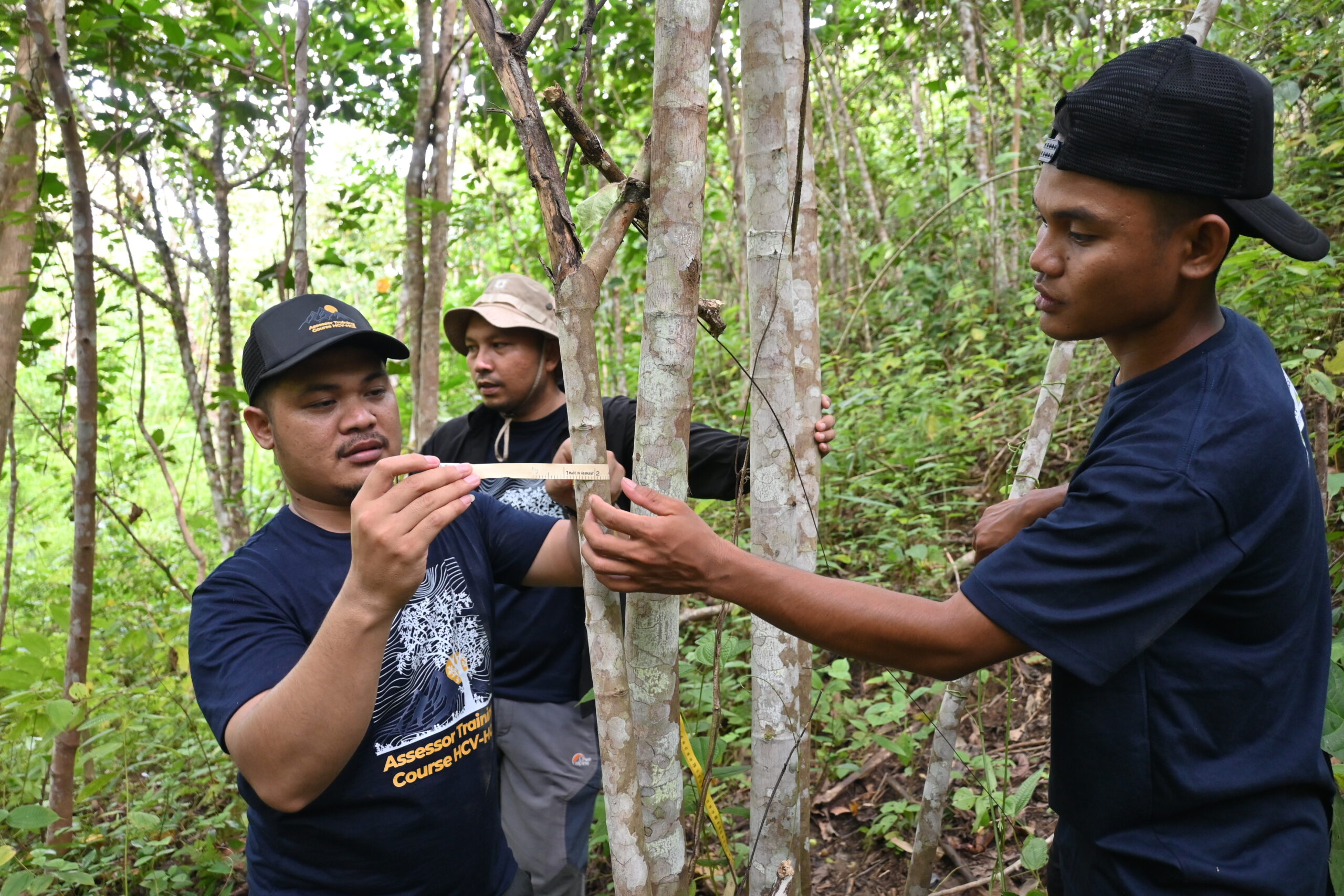
The High Carbon Stock Approach is the leading global methodology for identifying viable forests that need to be protected from deforestation for new palm oil development. By documenting the age and diversity of trees in the forest, they can determine if the vegetation is a viable forest that needs to be protected from deforestation for palm oil development.
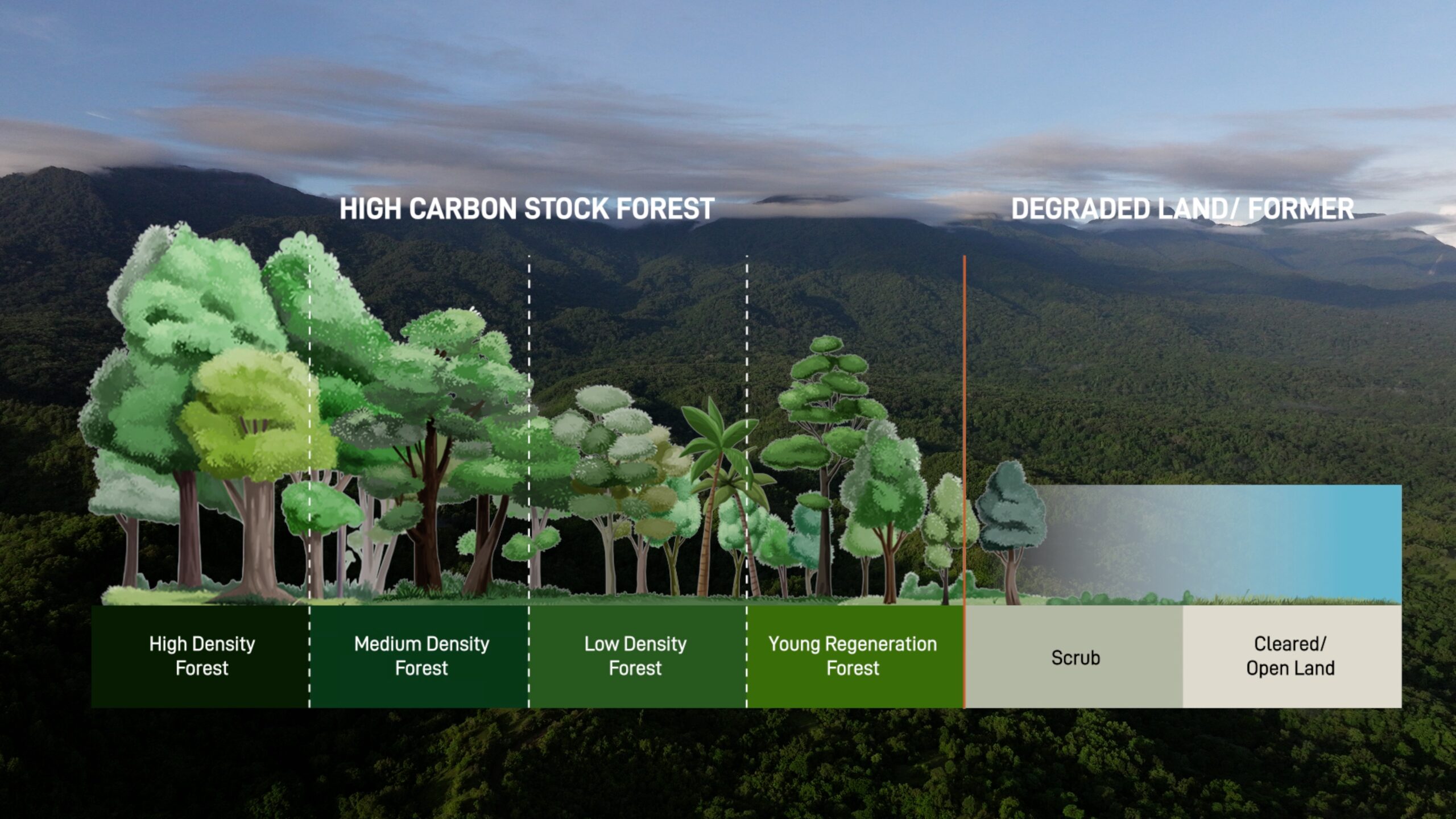
Diagram showing how viable forests are identified for protection using the High Carbon Stock Approach.
This initiative builds on efforts by the district governments in Aceh Tamiang, Aceh Timur, and Aceh Singkil, who partnered with PepsiCo, Unilever, Musim Mas, IDH and Apical to undertake desktop HCV-HCS Assessments in their jurisdictions with the help of trained practitioners and civil society organizations.
As global recognition of the importance of forests grows, there is also greater importance for increasing the capacity of local communities and organizations to protect and manage the rainforests of the Leuser Ecosystem. This is an important step towards legal recognition of their territories. Field-level engagement at the village or Mukim level is also needed to validate large-scale HCV-HCS maps that have been developed through desktop assessments. In recent years, civil society organizations and local communities have also begun taking action to identify High Conservation Value areas and High Carbon Stock forests on community lands that deserve protection. Watch our video on these efforts like those in the villages of Bunin and Jambo Reuhat in the district of Aceh Timur.
The training highlighted that mapping of HCV areas and HCS forests requires field-level engagement with Indigenous communities to identify areas of customary forests, community gardens, ancestral grave sites, places of worship in former old villages and village customary lands to ensure governments and the palm oil sector recognize these areas. Assessment processes must seek Free, Prior and Informed Consent (FPIC) of customary communities prior, during, and after the assessment process, before data sharing, and prior to change made by governments to land use allocations and spatial planning that result from the identification of HCV areas and HCS forests.

The identification of important cultural sites is a critical part of both the HCV and HCS Approach. During the training, time was spent with members of the village of Pengidam to learn about their sacred sites including ancient grave sites.
This is another example of the new era in landscape conservation in Aceh that involves investments by big global companies into initiatives that involve governments, civil society and smallholder farmer groups working together to achieve robust forest monitoring, responsible palm oil production, and enduring conservation solutions. Read more about the evolution of collaborative efforts in RAN’s report 10 Years in the Leuser Ecosystem: A Rainforest Frontier Driving a New Era of Landscape Conservation. There is hope that this will not be a ‘one-off’effort and ongoing support will be provided by palm oil buyers to scale up training and implementation of these approaches across Aceh and the Leuser Ecosystem. These emerging initiatives can deliver long term protection for Aceh’s forests and can be replicated across Indonesia and the world’s last threatened tropical rainforests.