Key Findings
- First Resources Ltd (SGX:EB5), one of Indonesia’s largest producers and traders of palm oil – controlled by the Fangiono family – is suspected of laundering deforestation-linked palm oil produced by ‘shadow companies’ into its supply chain, and marketing its palm oil as compliant with No Deforestation, No Peatland, No Exploitation (NDPE) standards.
- The Mahakam Landscape forms an important part of the intact rainforests left on the island of Borneo. RAN investigations reveal that the oil palm sector across this landscape is dominated by companies controlled by the Fangiono Group, with concessions covering over 217,000 hectares in this area alone – an area nearly three times the size of New York City.
- First Resources operates a consolidated palm oil supply chain in East Kalimantan with other Fangiono-controlled companies FAP Agri Tbk and KAS Group. Palm oil produced by these three Fangiono-controlled groups appears to be commingled in the same storage facility and transported to coastal refiners and markets in a common fleet of Fangiono-controlled palm oil barges. These companies appear to operate as a single economic enterprise, or ‘corporate group’.
- These findings would mean that in 2024, First Resources’ board of directors grossly misled its shareholders and the Singapore Stock Exchange by categorically denying having any relationship to the shadow companies operating under KAS Group (formerly described as Sulaidy/New Borneo Agri).
- Groups connected to First Resources, especially KAS Group, are responsible for large-scale industrial deforestation in East Kalimantan, Indonesian Borneo. Satellite analysis reveals that seven FAP Agri and KAS Group companies cleared over 9,300 hectares from January 2021-May 2026. RAN documented Eastern Grey Gibbons – endangered on the IUCN Red List – in newly cleared areas in August 2026 indicating these areas included High Conservation Value forests. RAN analysis indicates First Resources also violated its NDPE commitments directly by clearing over 500 hectares of forest in one of its concessions between January 2021 and May 2026.
- First Resources and FAP Agri denied our allegations. KAS Group and PT Wahana Prima Sejati did not respond. Their responses are reflected in the text below and their full responses can be viewed here: (First Resources, FAP Agri).
Introduction: A Misleading Denial
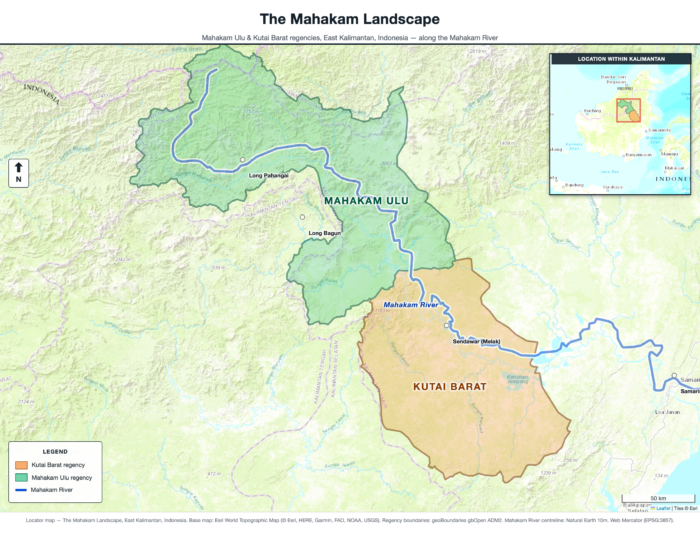
The Mahakam River runs 980 km from the mountains of Central Borneo to the sea in Samarinda and forms part of the remaining biodiverse intact tropical forests left on the island of Borneo. It is an area of incredible biodiversity, with species present including the Irrawaddy dolphin (known locally as pesut, or Mahakam river dolphin), Borneon orangutans, Eastern grey gibbons, sun bears, helmeted hornbills and thousands of other fauna. This watershed is also a central region of production for one of Indonesia’s largest palm oil producers and exporters First Resources Ltd (SGX:EB5), the flagship oil palm company of the Indonesian tycoon Fangiono Family.
First Resources committed to ending deforestation in its supply chain by the end of 2015. Its consistent pledges to be deforestation-free has supported its access to high-value markets and hundreds of millions of dollars in loans from banks in Singapore, Japan and Malaysia.
There has been an enduring mystery, however, surrounding First Resources and particularly its operations within the Mahakam landscape. Large-scale deforestation has continued apace in a number of concessions surrounding First Resources operations, which operate under the name ‘KAS Group’ but are controlled – at least on paper – by ‘Sulaidy’, a shadowy long time business associate of Martias Fangiono, the patriarch of the Fangiono family.
In 2023, an investigation alleged that these KAS Group companies were secretly controlled by Martias Fangiono’s sons Ciliandra and Cik Sigih, respectively the CEO and Deputy CEO of First Resources. As a result, many international traders and brands suspended sourcing from First Resources and the Fangiono Group. In response, the First Resources board filed a statement with the Singapore Stock Exchange categorically denying the allegation, stating the shadow companies “are not subsidiaries, associated companies, related parties, nor interested persons of First Resources”, and that they had “not purchased any palm oil products from, nor entered any transactions with NBA/Sulaidy Group [now rebranded KAS Group] and will not buy from any company that is not in compliance with our Policy on Sustainable Palm Oil”.
Unconvinced by this denial, RAN investigators set out to document the shadow companies’ palm oil operations and commodity supply chains on the ground and along the Mahakam River. Our findings suggest that First Resources’ denial statement to its shareholders and the Singapore Stock Exchange was grossly misleading. First Resources, KAS Group and FAP Agri appear to operate as a coordinated economic enterprise with integrated supply chains. Crude palm oil is commingled and shipped downstream in a common fleet of Fangiono-controlled palm oil barges. RAN also found that palm kernel oil – a high value by-product of milling palm fruit – is produced by First Resources using palm kernels sourced from KAS Group.
Interactive Map of Fangiono Operations and Crude Palm Oil Supply Chains along the Mahakam River, East Kalimantan
These field observations of integrated operations are corroborated by a lawsuit filed by KAS Group in 2022, in which KAS employees describe regular transport of KAS palm oil to First Resource operations. RAN has also viewed internal accounting spreadsheets dated April 2024 that identify entities across all three Fangiono sub-groups – First Resources, KAS Group and FAP Agri – as ‘related parties’. This accounting term refers to companies linked through ownership, control or significant influence.
What emerges is the picture of a tycoon-controlled palm oil group that appears to have misled traders and downstream buyers regarding the origin and deforestation-free status of its palm oil. This would also imply that investors and Singapore’s regulators have been similarly misled on the extent of its “off balance sheet” operations. This raises serious concerns regarding the corporate governance of the Fangiono family’s listed companies First Resources (SGX:EB5), FAP Agri Tbk (IDX: FAPA) and ANJ (IDX:ANJT), which have a market capitalizations of US$6.1 billion and US$1.5 billion and US$300 million respectively.
What also jumps out is the unusually high concentration of economic control over the land and forests along the Mahakam river by the Fangiono Group – which now controls a landbank of at least 217,165 hectares in Mahakam Ulu and Kutai Barat districts alone, an area equivalent to 64% of all oil palm concessions in the districts. They also operate 10 out of the total 19 oil palm mills.
How Deforestation Palm Oil Flows Through First Resources’ Facility and Jetty
Major brands and traders with NDPE commitments list First Resources’ two mills in East Kalimantan, PT Citra Agro Kencana (PT CAK) and PT Ketapang Agro Lestari (PT KAL), as suppliers. This includes traders Wilmar, Cargill, ADM, Bunge, Barry Callebaut, and Olam, while First Resources’ East Kalimantan mills are linked to the supply chains of household brands including PepsiCo, Mondelēz, Nestlé, Kellanova, and Hershey.
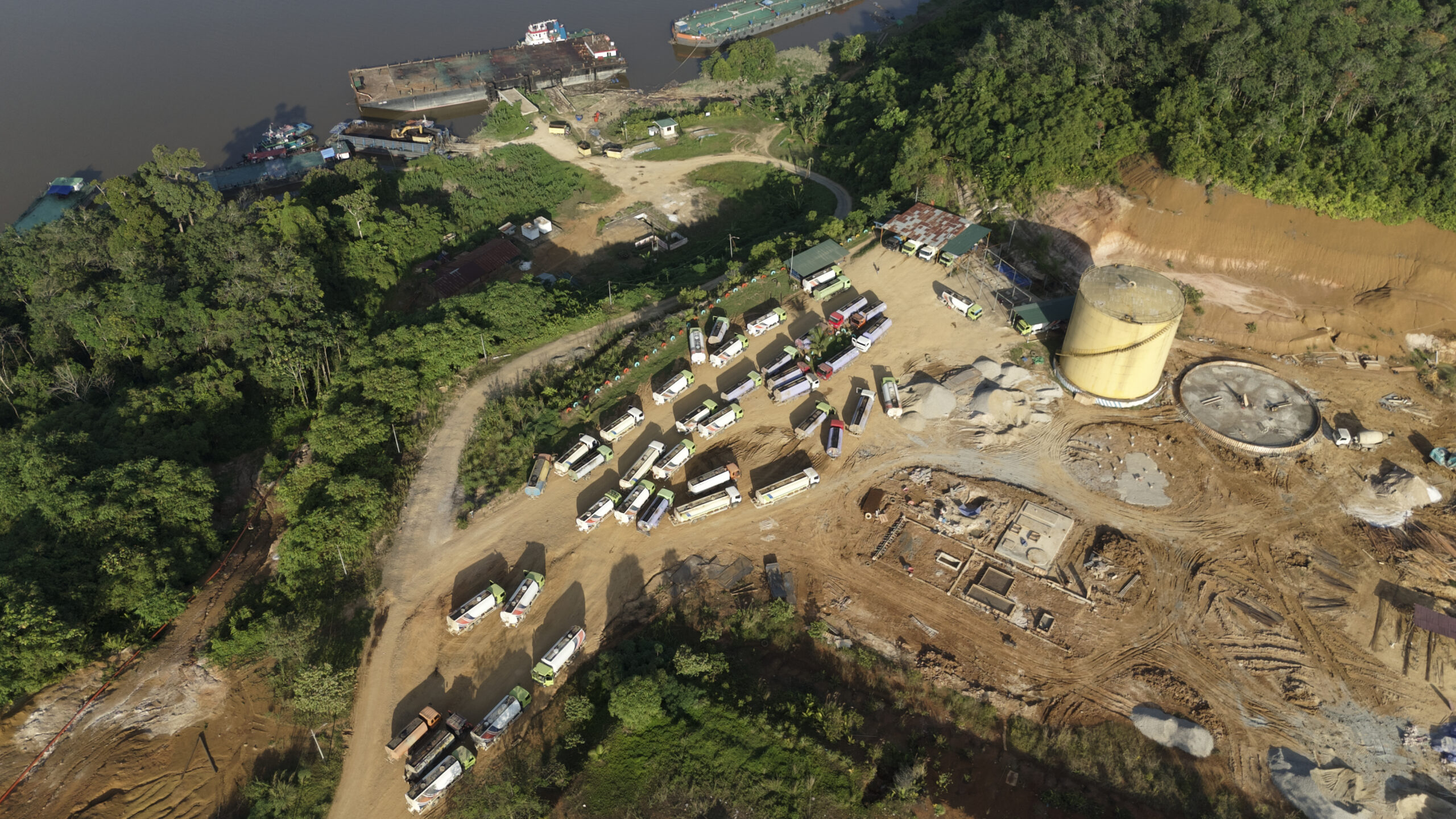
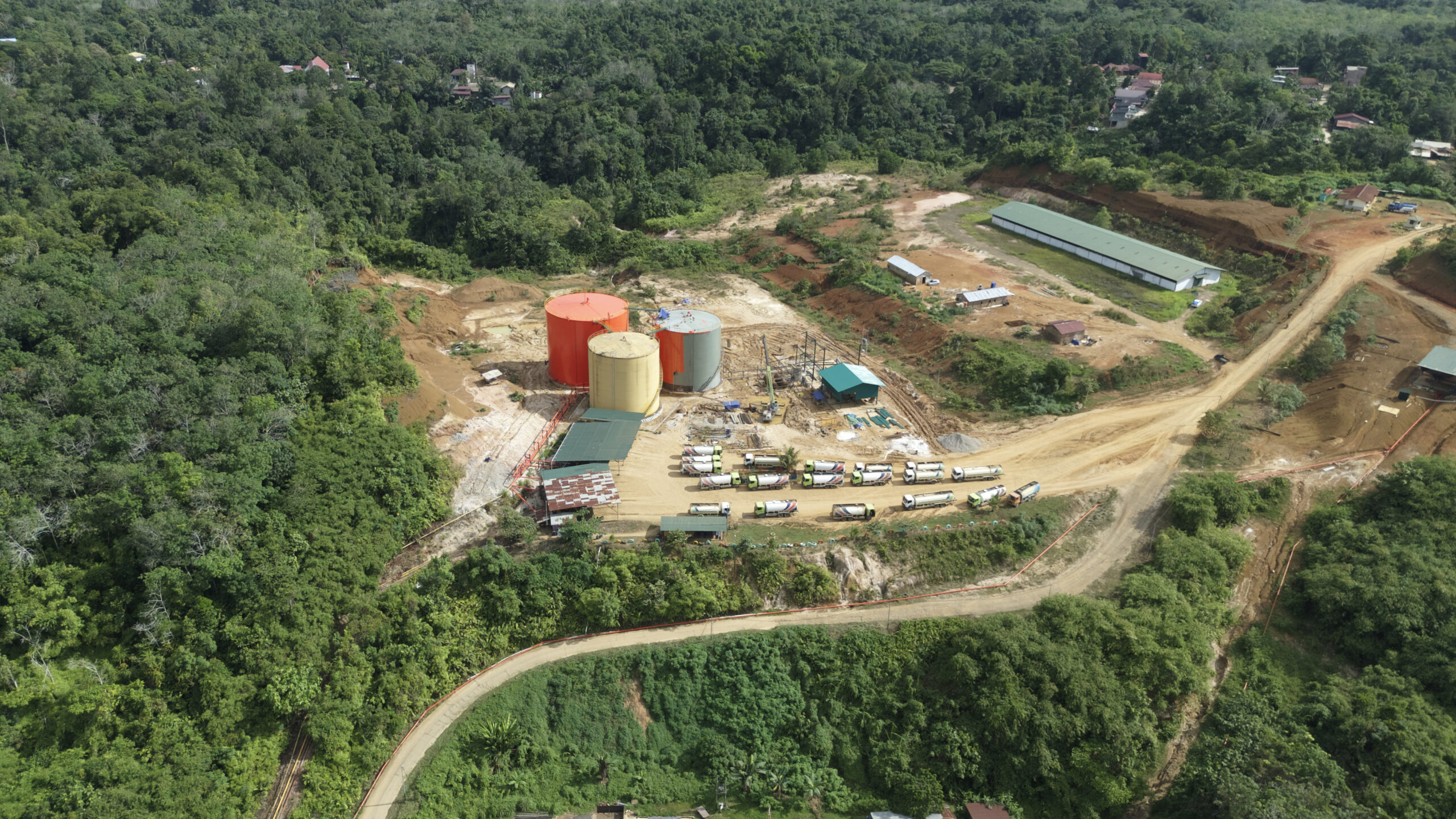
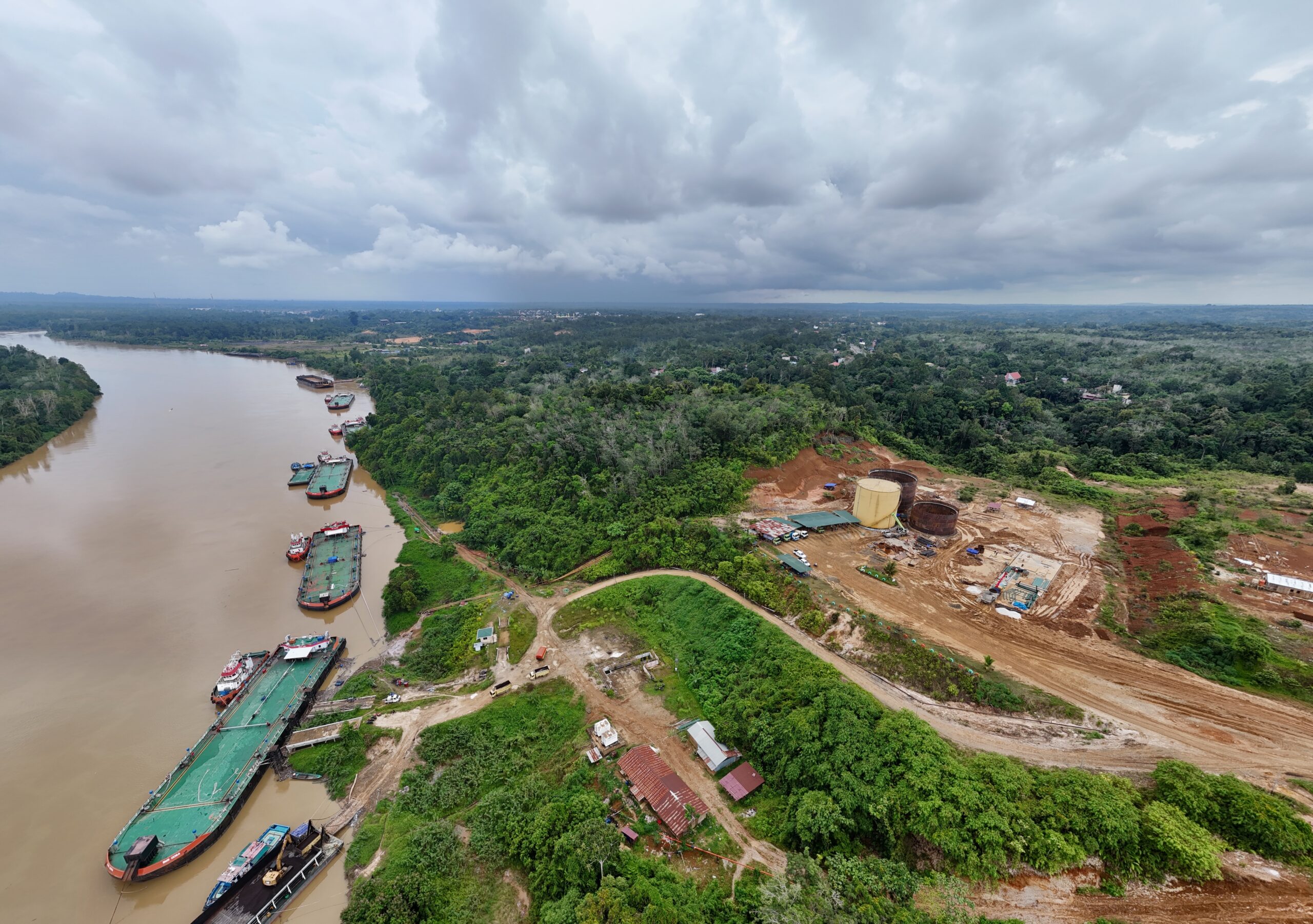
However, dig a little deeper and we found that the largest of First Resource’s mills in the area, PT CAK, also operates a bulking facility and river port near Royoq village on the Mahakam River. This facility is the central node for palm oil and loading ocean-going barges that transport it downriver to coastal refiners and global markets.
Palm oil trucks arriving from Fangiono mills to offload at PT CAK bulking facility
A fleet of seagoing palm oil barges operated by two Fangiono companies, PT Fangiono Perkasa Sejati (‘FPS vessels’) and PT Bina Maritim Sejati (‘BMS vessels’), travel upriver and moor off the PT CAK jetty to be filled up from the storage tanks on land, and by vessel-to-vessel transfer from smaller palm oil barges arriving from upriver.
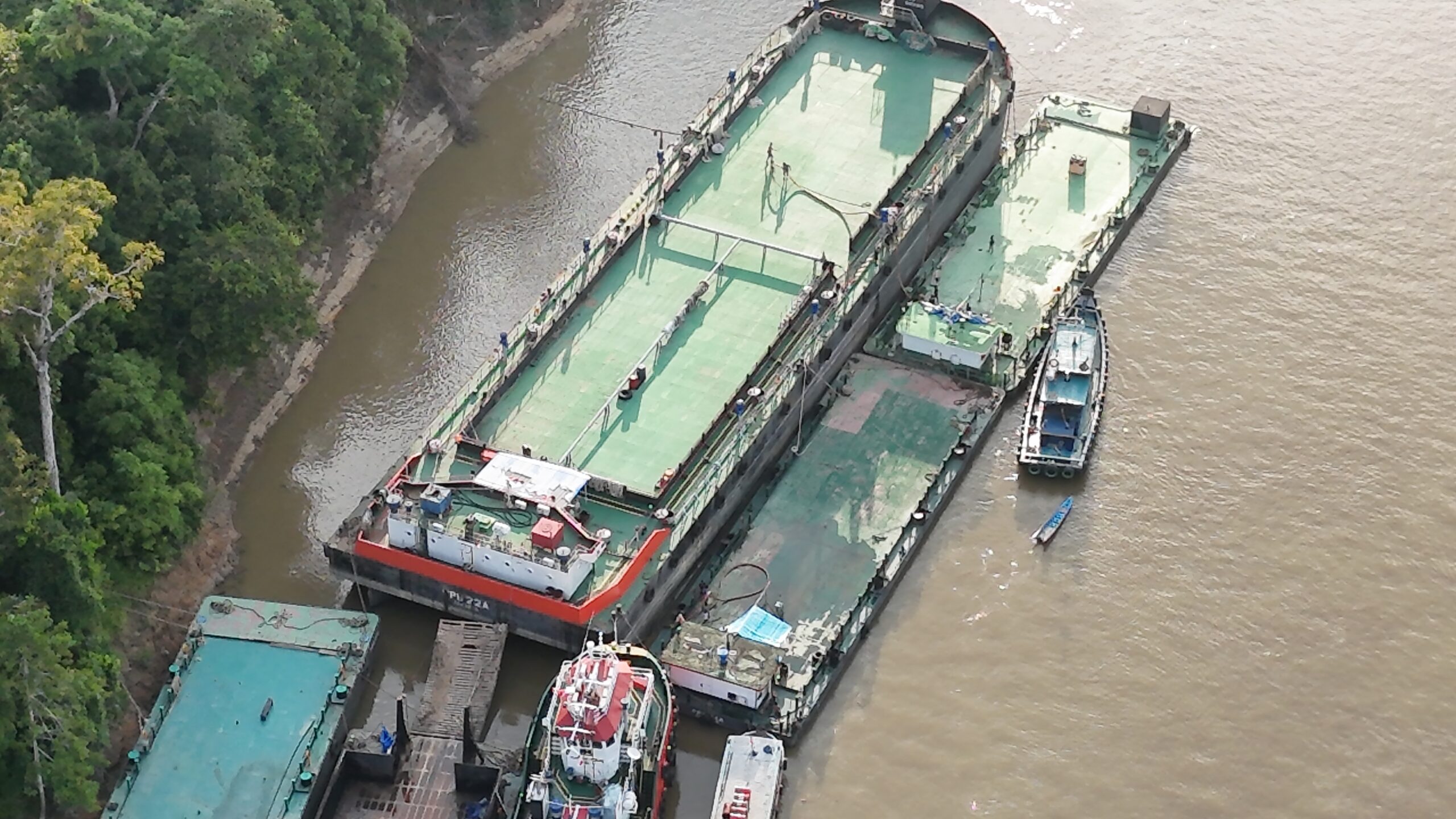
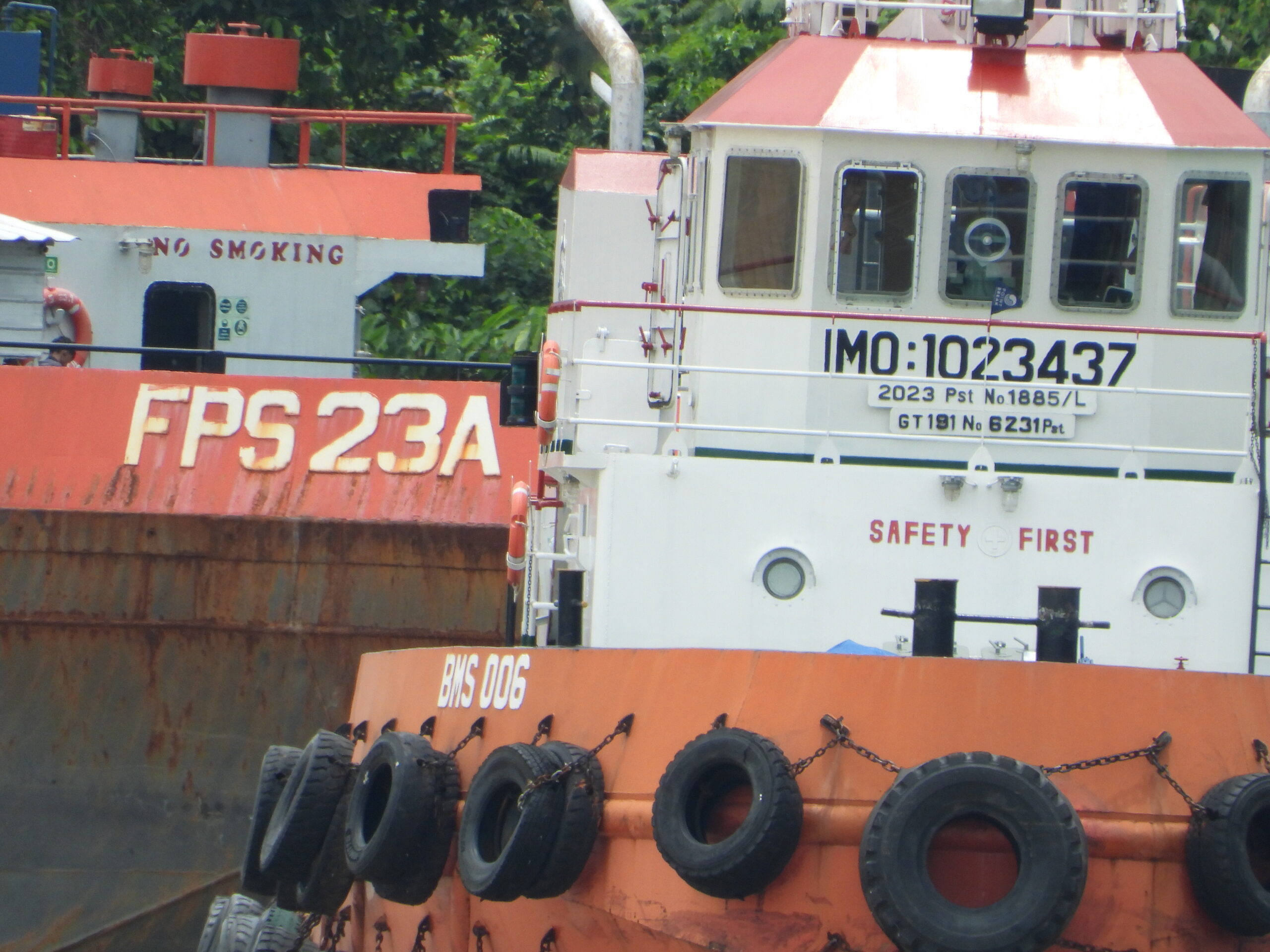
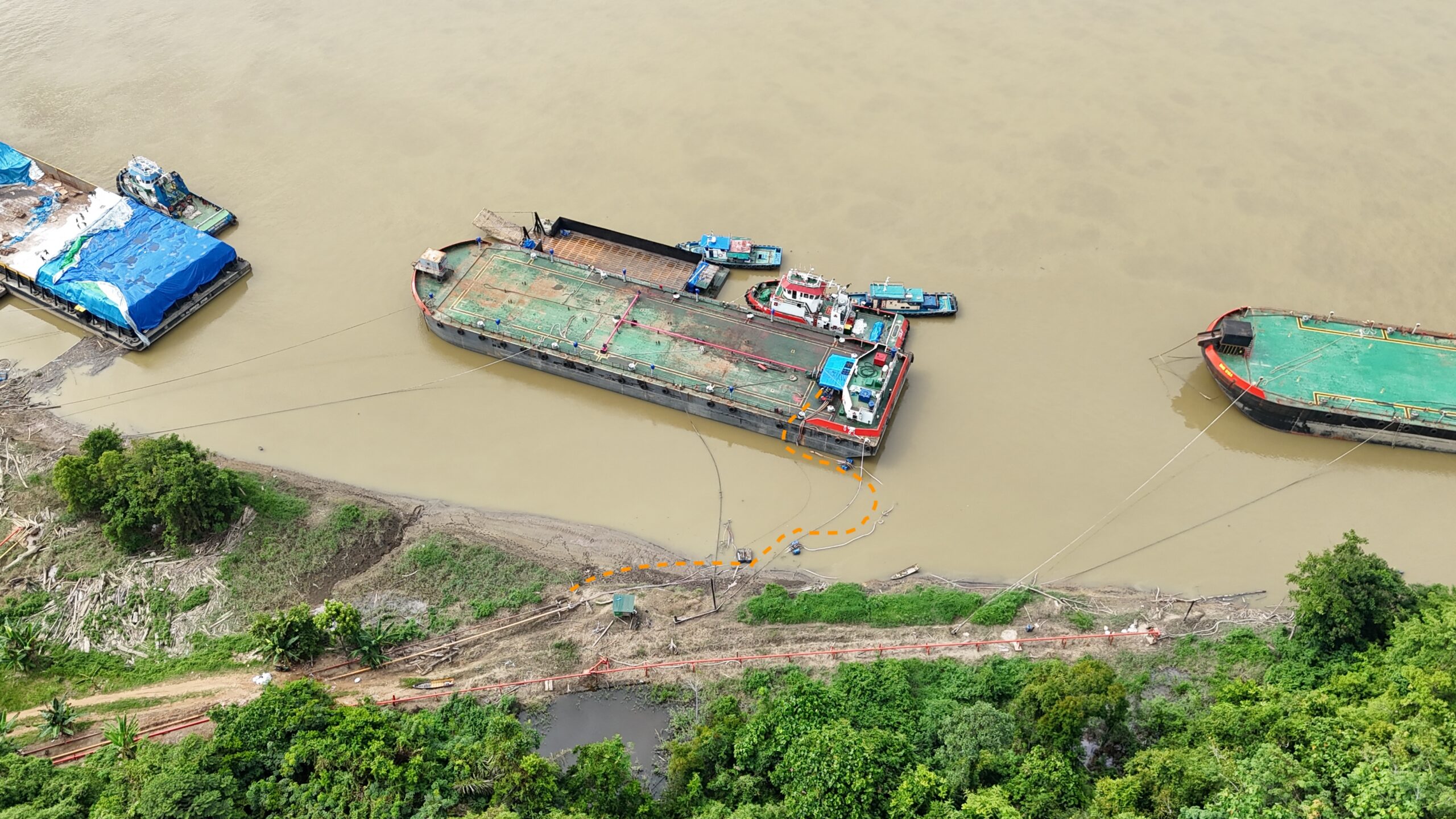
RAN investigators confirmed that the CPO arriving at the PT CAK facility by truck and small barge was not only sourced from First Resources mills, but also from KAS Group and FAP Agri mills in East Kalimantan. This was confirmed by KAS Group mill employees and is corroborated in a lawsuit filed by KAS Groups’ PT Agro Mananggul Selaras (PT AMS) in 2022. In it, witnesses, including employees responsible for checking and weighing trucks at the PT CAK facility and PT AMS’ internal auditor, confirm regular CPO supply between the two facilities. This demonstrates substantial trade between KAS Group and First Resources was occurring in 2022, RAN field evidence shows continues in 2026, contradicting First Resources’ shareholder statement in 2024 that denied any form of commercial relationship with KAS Group.
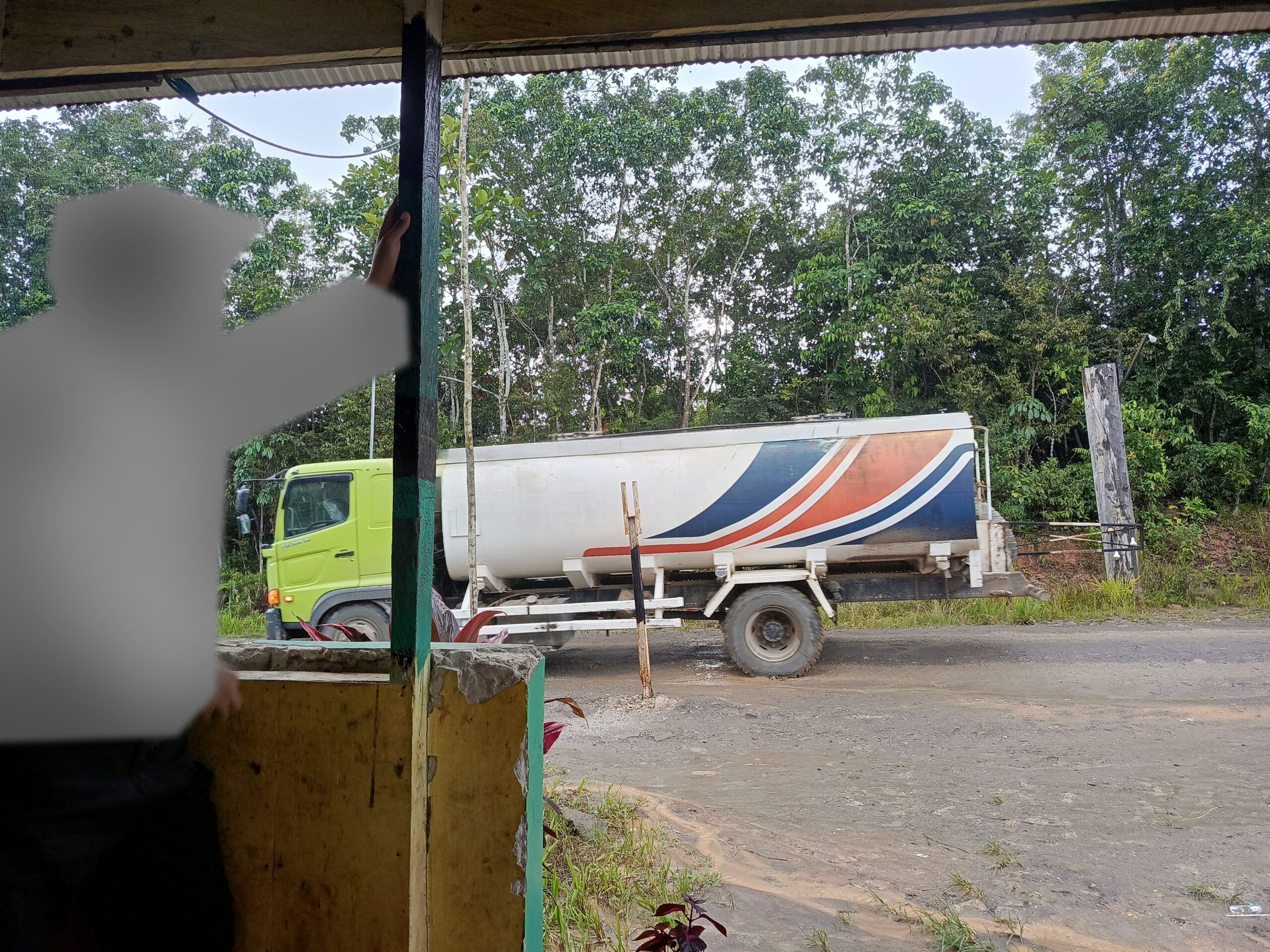
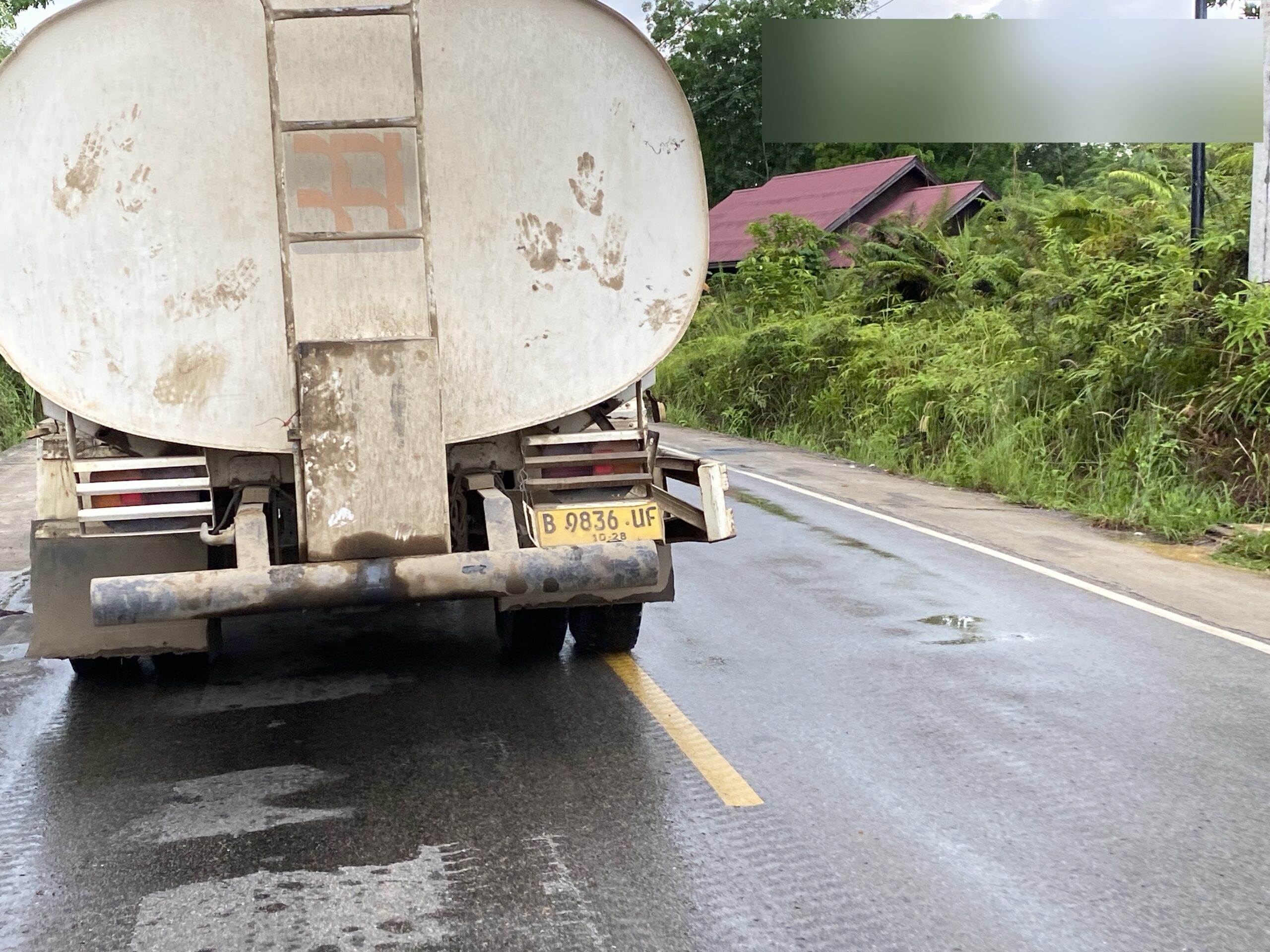
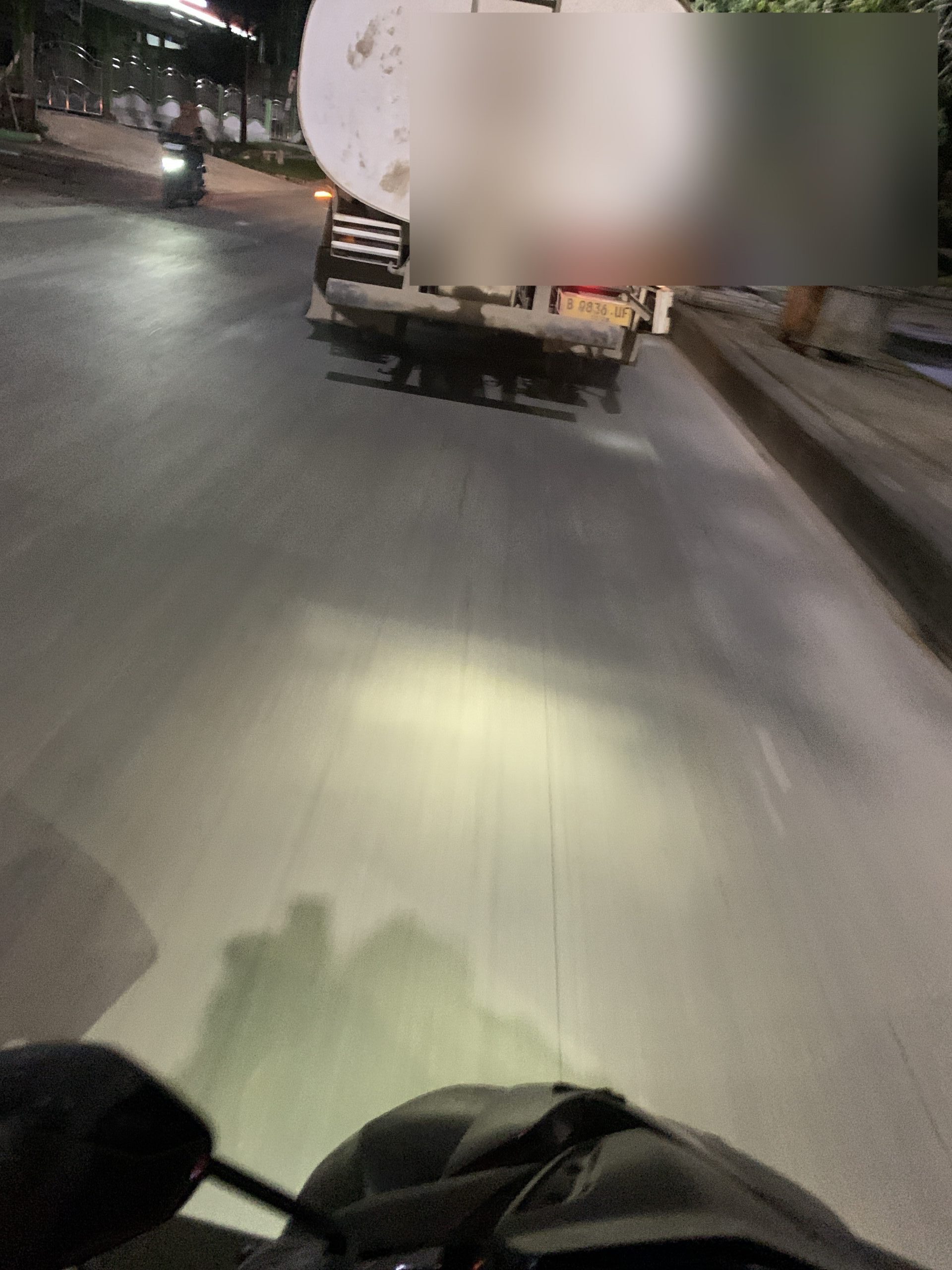
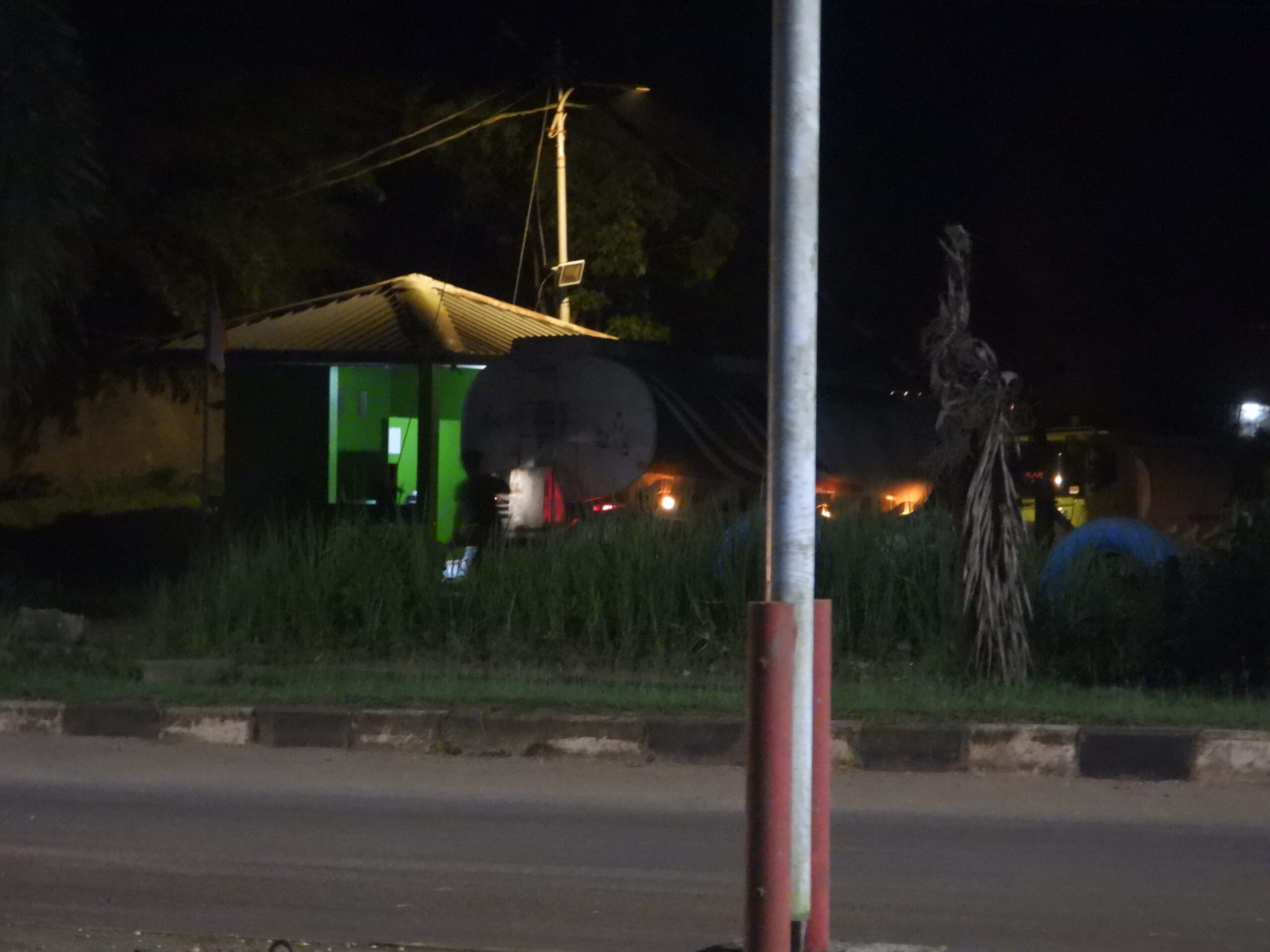
During investigations in 2026, KAS Group employees stated that CPO trucks leaving their mills – PT Borneo Citra Persada Mandiri (PT BCPM) and PT AMS – were driven to the PT CAK bulking facility for offloading. RAN confirmed this, following trucks travelling from PT BCPM to PT CAK in May 2026. CPO arriving at this bulking facility is then offloaded into common bulking tanks and appears to be commingled from multiple Fangiono sources. During the period of observation (January-July 2026), the bulking station increased its storage capacity indicating the growing output and growth plans of the Fangiono Group in the region.
The commingling of CPO from multiple Fangiono mills not only appears to occur in the offloading tanks of the bulking station, but also on the fleet of Fangino controlled barges moving CPO down the Mahakam River. Upriver in Mahakam Ulu, the Fangiono Group operates three palm oil mills, two controlled by FAP Agri (PT Marsam Citra Adiperkasa and PT Borneo Bhakti Sejahtera) and one by KAS Group (PT Setia Agro Abadi). These facilities mill CPO from Fangiono plantations and are driving large-scale deforestation in the landscape.
Photo Series of Deforestation Palm Oil from PT Setia Agro Abadi transported to PT CAK facility for transhipment, Q2 2026
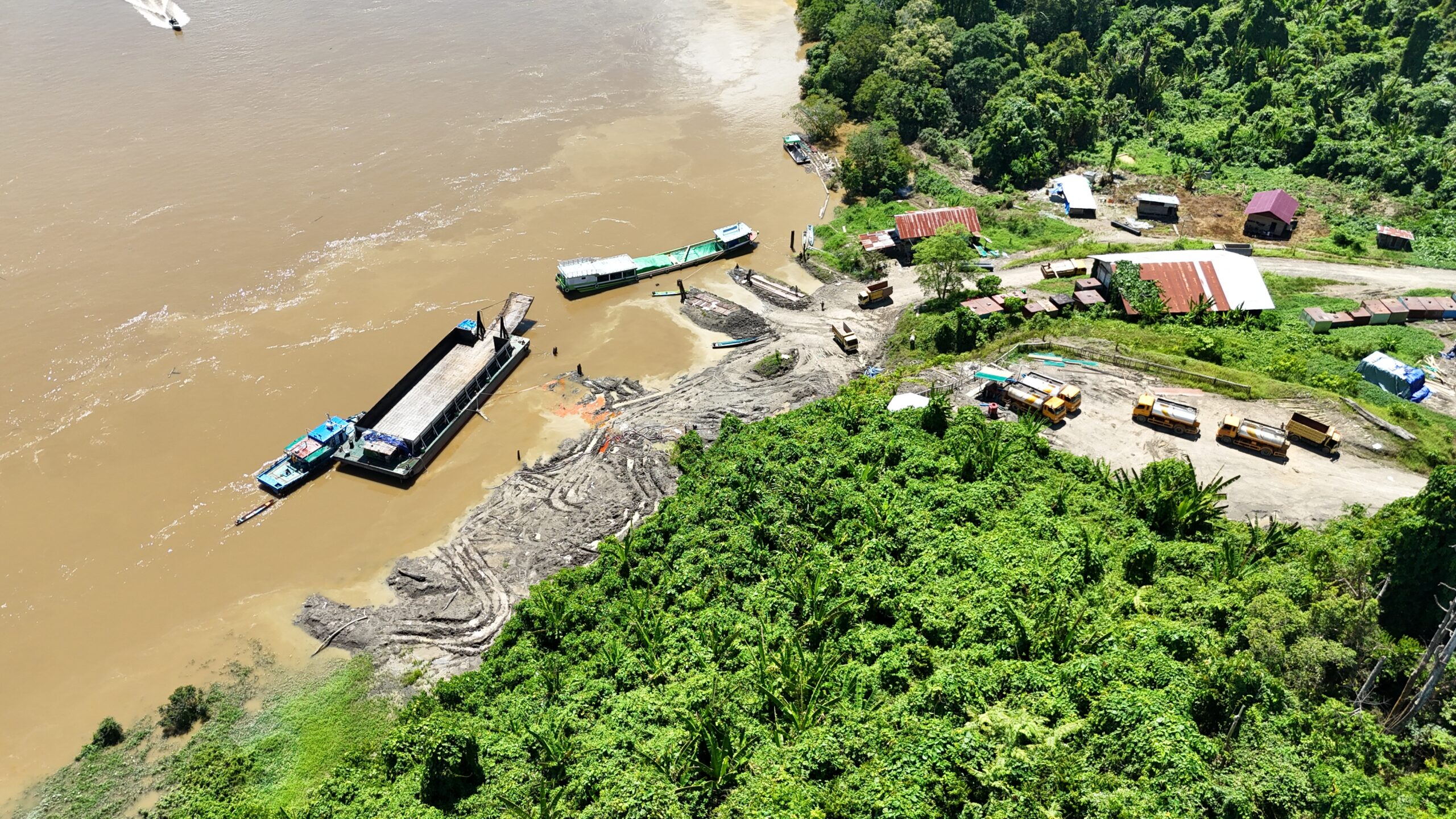
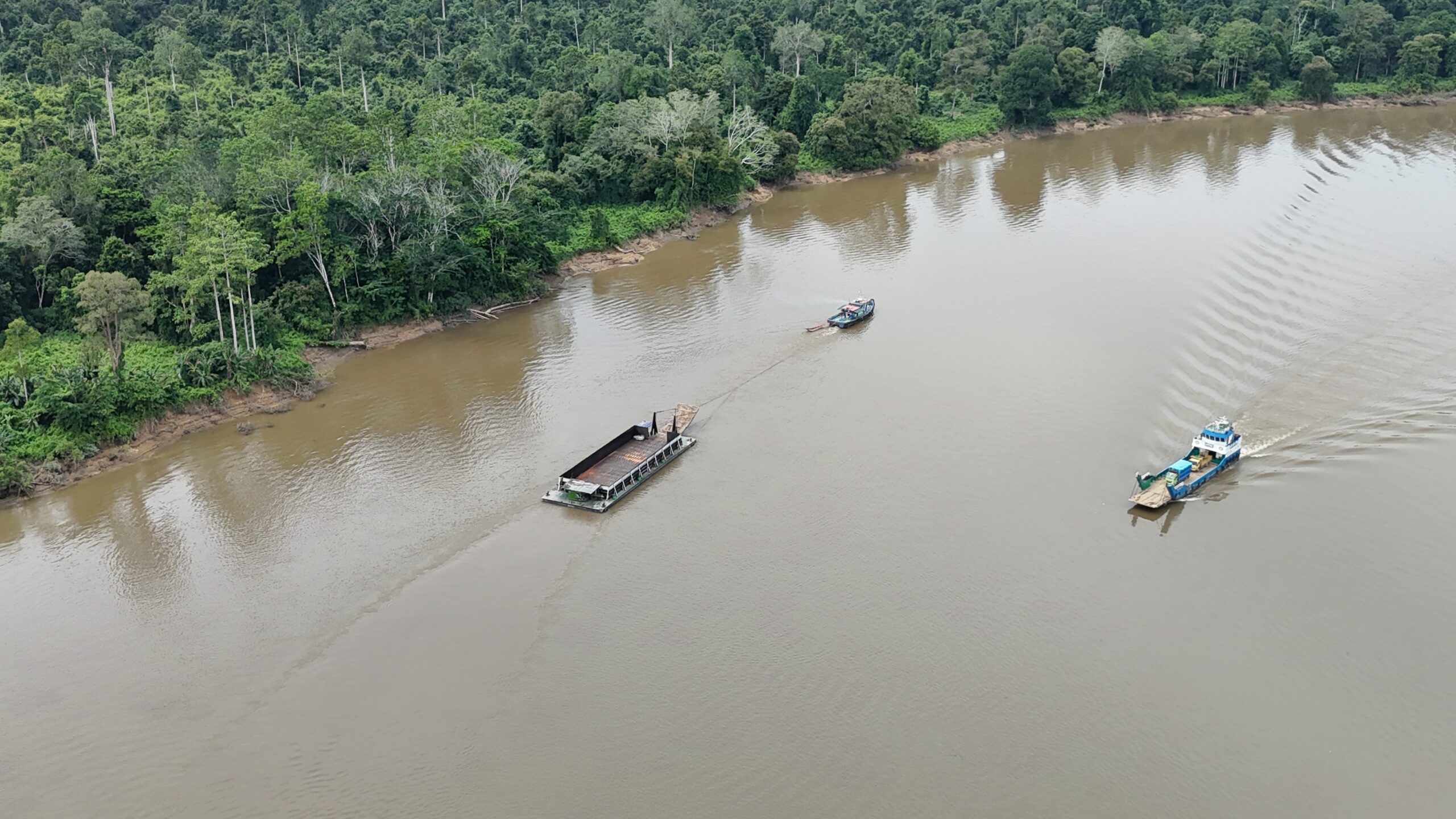
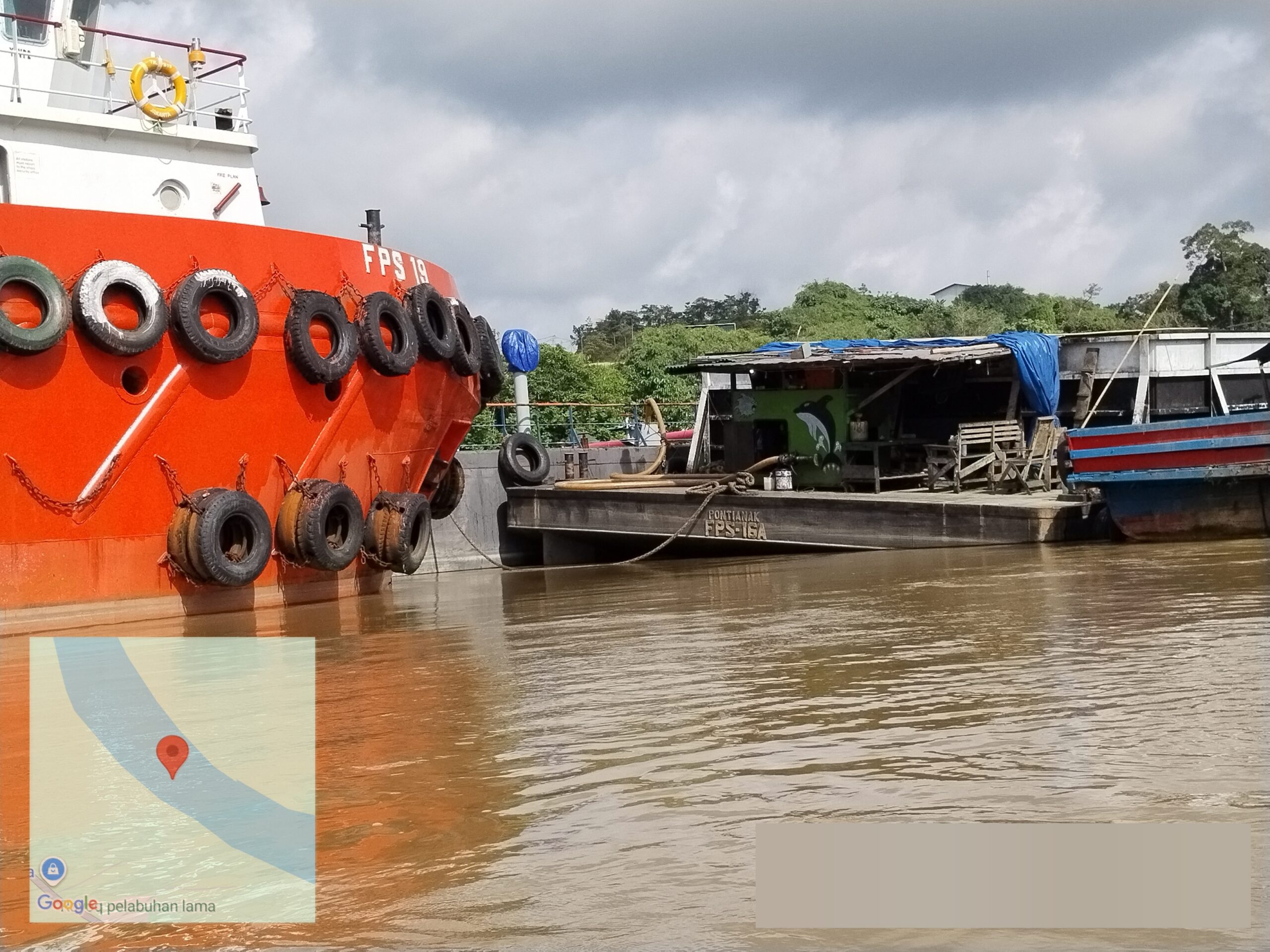
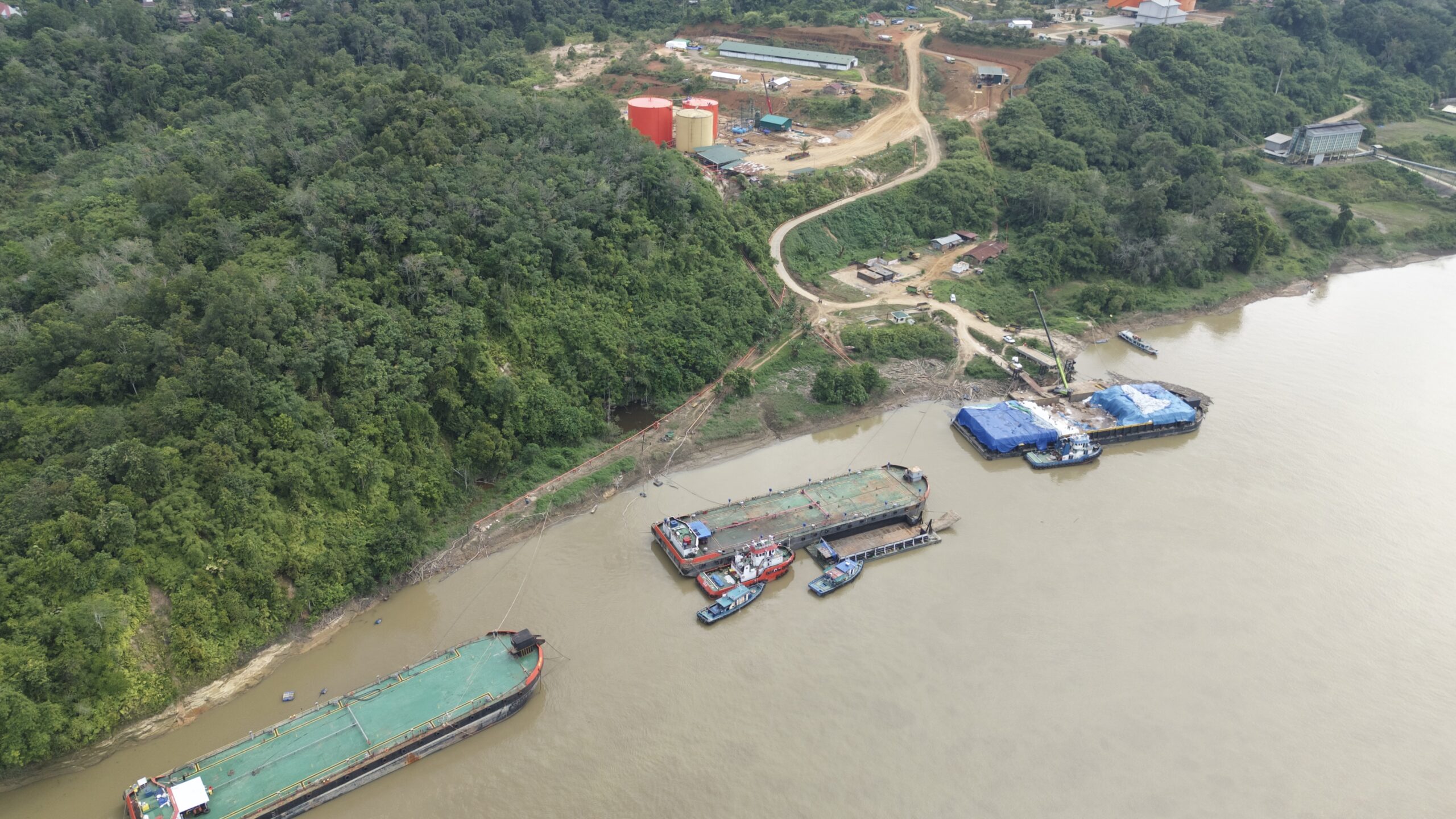
RAN investigators documented one such journey in Q2 2026. A small barge, FPS16A, with an estimated capacity of 500 tonnes, was spotted at the jetty of PT Setia Agro Abadi (PT SAA). PT SAA is the largest deforester in Mahakam Ulu, clearing over 3,500 hectares between January 2021-May 2026. Multiple CPO trucks from PT SAA mill filled the hold of barge FPS16A (this barge is also used to transport palm kernels). FPS16A was then towed downriver to the PT CAK jetty, where it transferred the PT SAA CPO to a larger Fangiono barge, FPS19A, with estimated 5,000 tonne capacity. At the same time, this vessel was also being loaded with CPO from the storage tanks located on land. Its hold now full with CPO from multiple sources, FPS19A then proceeded to travel downstream to offload at refineries in Balikpapan bay, from where the palm oil would then find its way into global supply chains.
In response to our detailed allegations outlined above, First Resources did not comment on the specific operations of the PT CAK bulking station but denied conducting any blending or commingling of CPO products with third-party entities, and denied any relationship with KAS Group.
First Resources Palm Kernel Oil Produced from Undisclosed Sources
First Resources, FAP Agri and KAS Group palm supply chains are integrated not only for CPO, but also for the production of palm kernel oil (PKO). First Resources’ two mills, PT CAK and PT KAL, crush palm kernels – a byproduct of producing CPO – to make PKO.
KAS Group employees told RAN investigators that palm kernels from mills in Kutai Barat regency, including PT AMS and PT BCPM, are transported by truck to PT CAK for milling. In July 2026, RAN investigators documented a kernel truck leaving PT AMS, with workers confirming this truck’s destination was the PT CAK kernel crusher.
Palm kernels (in black) from Fangiono Operations including KAS Group are transported by road and river to PT CAK kernel crushing facility
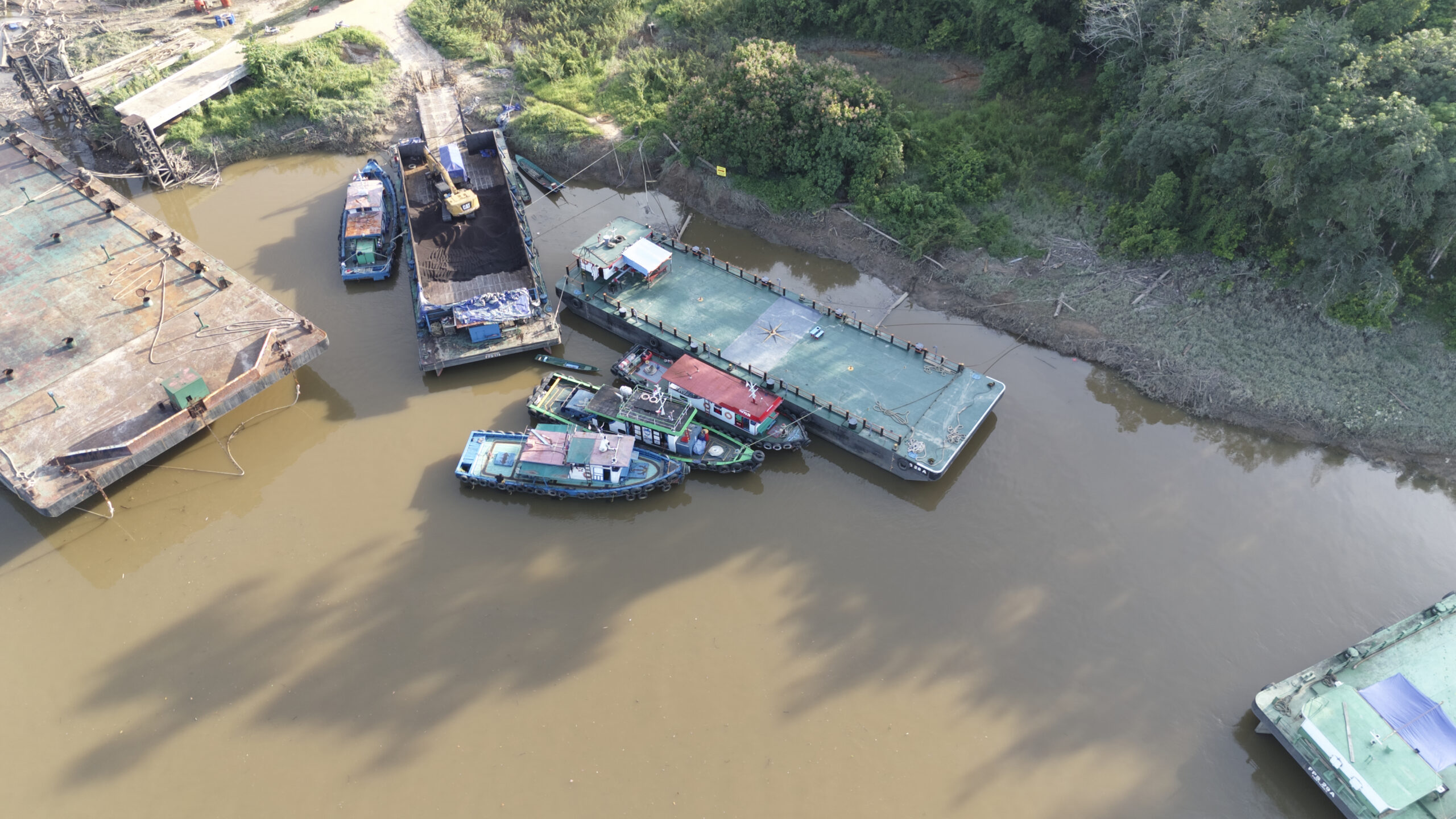
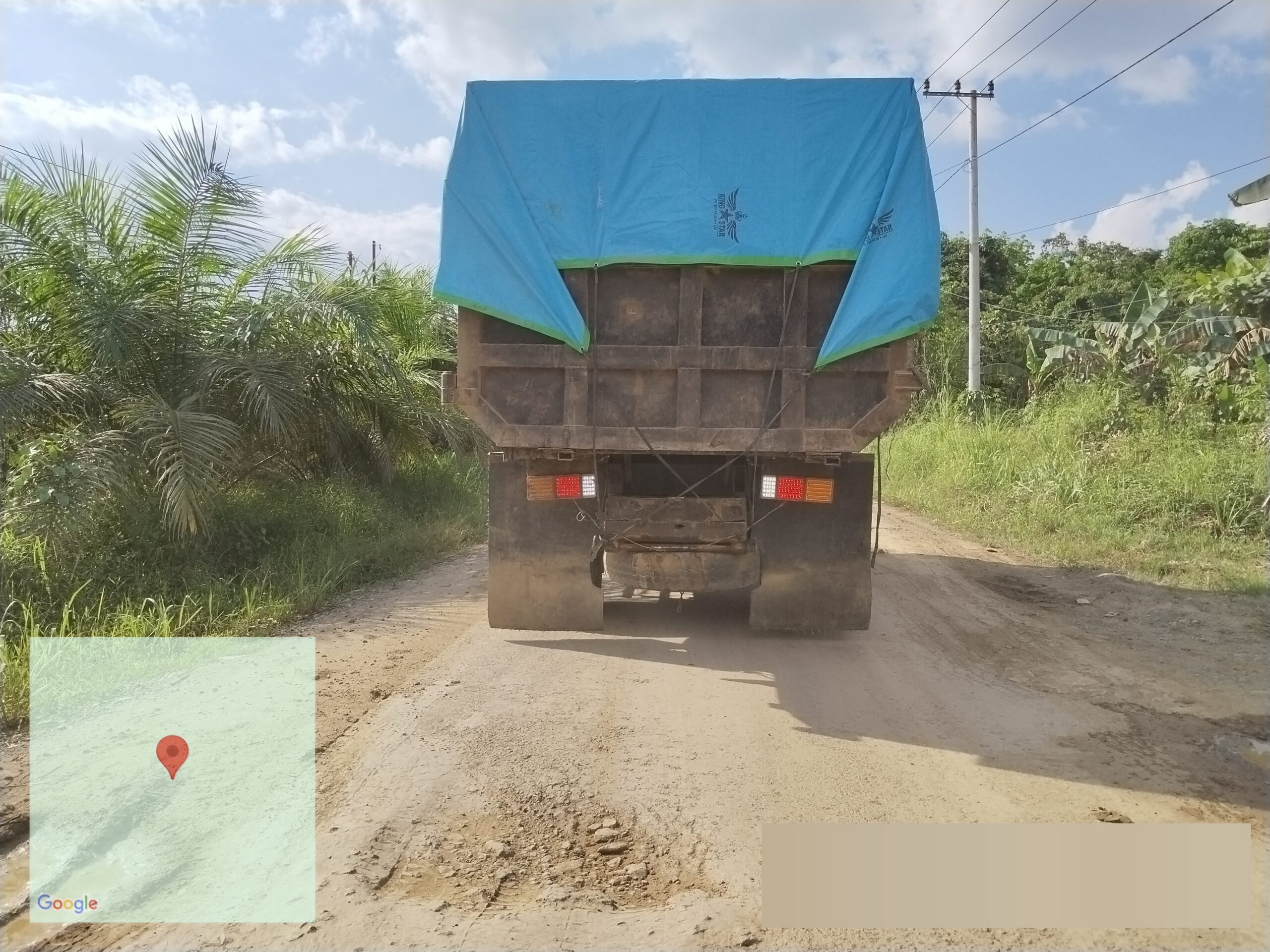
Employees also confirmed that palm kernels from upriver mills – KAS Group’s PT SAA and FAP Agri’s PT Borneo Bhakti Sejahtera and PT Marsam Citra Adiperkasa – are transported by barge to the PT CAK jetty, then offloaded onto trucks and taken to the PT CAK kernel crusher. While PT CAK discloses sourcing palm kernels from FAP Agri, none of the KAS Group mills RAN identified were disclosed.
First Resources did not comment on specific allegations regarding its sourcing of palm kernels.
First Resources Shares Accounting Systems with its Shadow Companies
In its April 2024 statement to shareholders, First Resources denied that FAP Agri was an associated company or subsidiary, describing it as a supplier on an “ad-hoc” basis, and categorically denied any connection to the companies now trading as KAS Group.
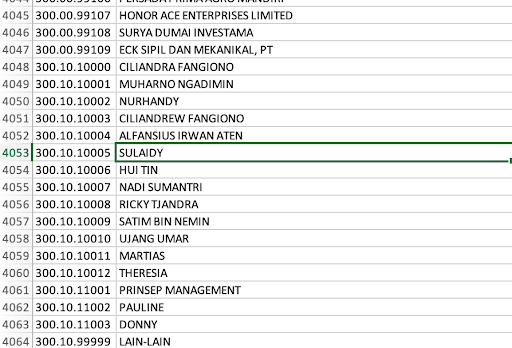
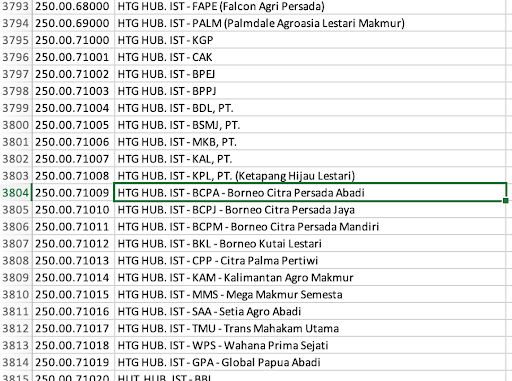
RAN has reviewed internal accounting spreadsheets dated 30 April 2024, two weeks after its disclosure to the Singapore stock exchange, which reveal integrated financial management across First Resources, FAP Agri and KAS. The spreadsheets include a Chart of Accounts – a ledger to track the financial position across complex corporate groups – that covers dozens of First Resources, FAP Agri and KAS companies, alongside their respective holding companies, which are all referred to as ‘hubungan istimewa’ or ‘related parties’. As this is an accounting term used for entities linked through ownership, control or significant influence, it is difficult to reconcile with (and precisely the opposite of) what First Resources stated to its shareholders regarding its relations to KAS Group.
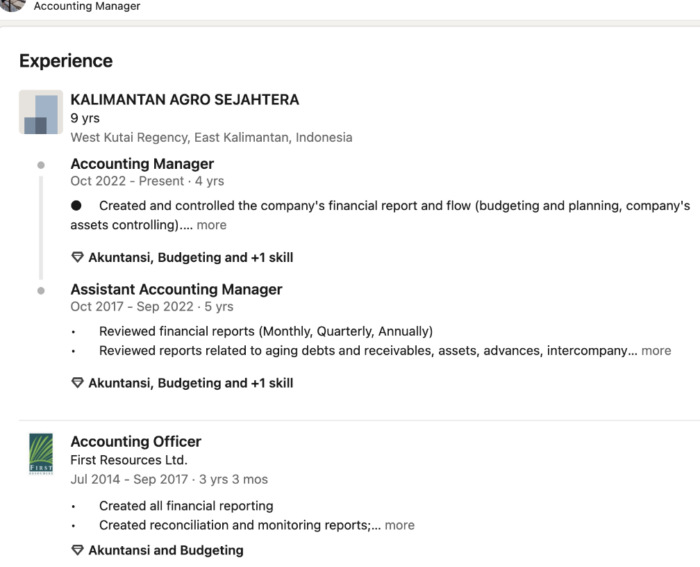
Metadata reveals that these accounting spreadsheets were authored by an accountant who, according to his LinkedIn profile, has worked for Fangiono Group since 2014, initially at First Resources and for KAS since 2017, with responsibilities including financial reporting, budgeting and controling company assets. The spreadsheet files in question relate to FAP Agri companies – PT Setia Agro Utama and PT Borneo Bhakti Sejahtera – and were last saved by user ‘FAP Admin’, indicating that this ledger system was in use by FAP Agri in April 2024.
Neither FAP Agri, First Resources or KAS Group responded to these specific allegations. First Resources simply reiterated its 2024 statement on its “ad hoc” relationship to FAP Agri and denied any relationship to KAS Group. FAP Agri stated more generally that it maintains separate financial reporting, internal audit, risk management and regulatory compliance functions.
Sample of Chart of Accounts spreadsheets listing shareholders including Fangiono Family members and Sulaidy, and illustrating description of First Resources and KAS companies as ‘hubungan istimewa’ (HUB.IST) or ‘related parties’
Screenshot of LinkedIn profile of author of accounting documents seen by RAN
Shadow Fangiono Palm Oil Refinery Exporting Deforestation Palm Oil to Global Markets
PT FPS and PT BMS barges loading palm oil from the PT CAK jetty on Mahakam River all travel downriver to Balikpapan Bay, mostly to the Fangiono shadow refinery PT Wahana Prima Sejati (PT WPS).
PT WPS was a subsidiary of First Resources, with a plot of land for a planned facility on Balikpapan Bay. First Resources started land clearing in 2020, but following an RSPO complaint, it was issued with a stop work order on environmental grounds. First Resources subsequently sold its shares in PT WPS to another company in 2023, whose ownership is hidden by offshore companies. After the alleged change of ownership, land clearing resumed and the refinery began construction, with the facility starting exports in July 2025.
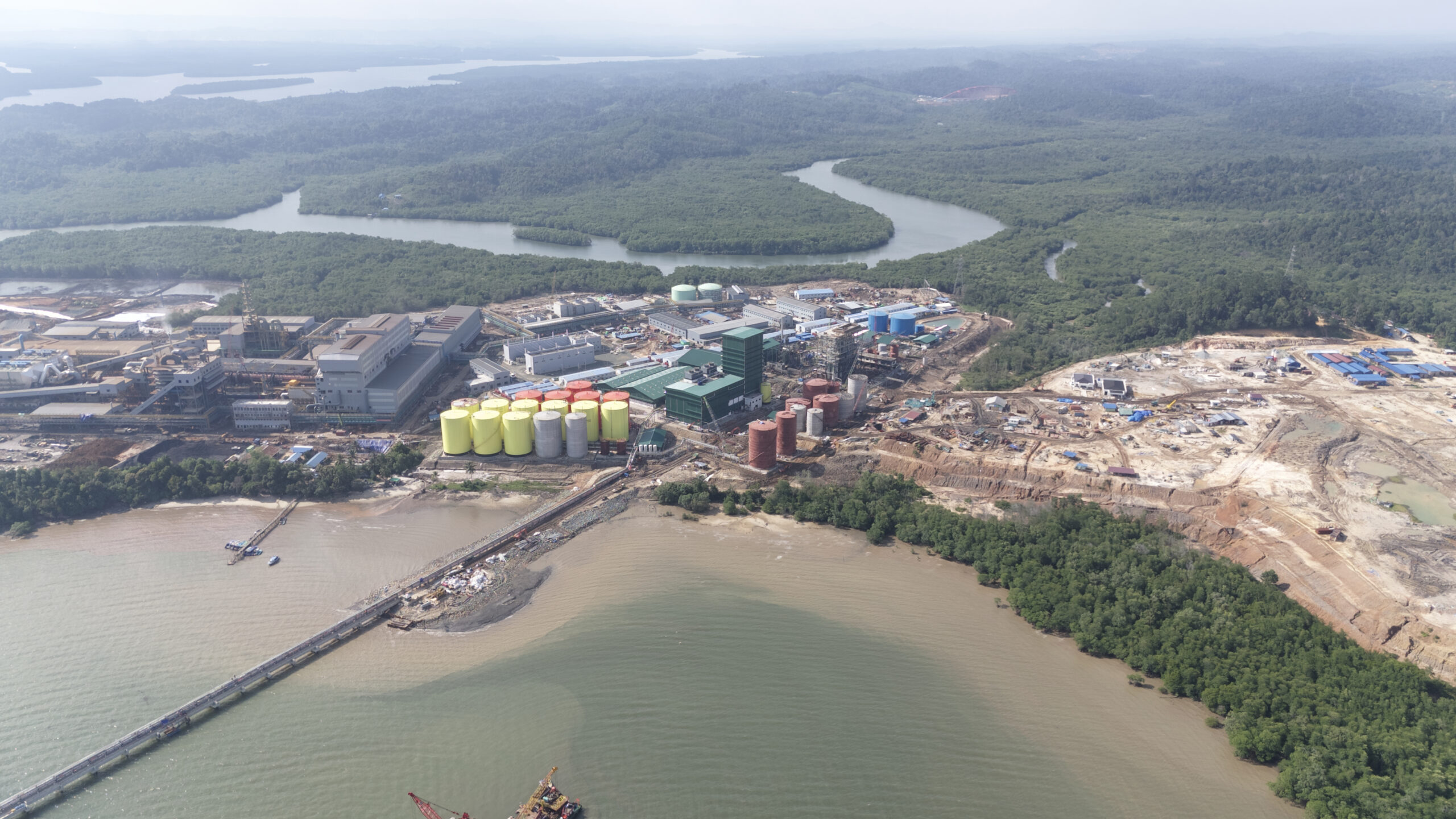
However, PT WPS effectively remains the refining arm of the Fangiono Group in East Kalimantan. Analysis of domestic port data, cross-referenced with ship tracking data for the FPS/BMS fleet, shows that between September 2025 and June 2026, at least 93% of CPO offloaded at PT WPS refinery jetty came from First Resources, FAP Agri and KAS group sources. Around 60% came from the PT CAK bulking facility on the Mahakam River, and a further 33% came from FAP Agri mills in Nunukan, North Kalimantan.
The flow of palm oil to PT WPS since the refinery started operations in 2025 is reflected in FAP Agri’s most recent half-yearly financial statement (H12026), where PT WPS has jumped to become its largest ‘customer’, contributing to 55% of its net revenue of nearly $134 million. However, there is strong evidence that PT WPS is not a customer but a part of the Fangiono Group. In April 2024, PT WPS was listed as a ‘related party’ in the FAP Agri Chart of Accounts (see above) and Wilmar, one of FAP Agri’s largest customers over recent years, also lists the PT WPS parent company as “Fangiono Agro Plantation” in its 2025 disclosures.
In response to these allegations, FAP Agri stated that it “maintains a supplier–customer relationship with WPS for the sale and purchase of crude palm oil” and that the “existence of commercial transactions between entities – including transactions of material or recurring volume – is not probative of common control” and maintained that it “does not establish that those entities constitute a single economic unit”.
FAP Agri did not comment on the categorization of PT WPS as a ‘related party’ in its accounting documents. RAN put our allegations to PT WPS but received no response.
Deforestation Across Fangiono Group Concessions
The Fangiono Group’s two publicly listed companies, First Resources and FAP Agri, have public commitments to No Deforestation, No Peatland, No Exploitation (NDPE), with cut-off dates of 2016 and 2019 respectively. Companies operating under ‘KAS Group’ have no significant public profile and therefore apparently no public environmental and social commitments.
RAN field investigations and satellite analysis across a sample of 11 concessions operated by eight Fangiono companies reveal that large-scale deforestation has occurred in the operations of all three Fangiono sub-groups: First Resources, FAP Agri and KAS Group. Over 9,800 hectares of natural forest has been cleared from January 2021 to May 2026.
FAP Agri Tbk
Satellite analysis reveals that FAP Agri has cleared 472 hectares across its concessions PT Marsam Citra Adiperkasa and PT Setia Agro Utama, between January 2021-May 2026. RAN investigators documented stranded Eastern Grey Gibbons, an endangered IUCN red list species, indicating that the forests being cleared are High Conservation Value (HCV1). FAP Agri palm oil is commingled and transported alongside First Resources palm oil, and FAP Agri palm kernels are used to manufacture First Resources PKO.
In response to our findings of deforestation in FAP Agri concessions, the company responded that PT MCA and PT SAU had been subject to High Conservation Value Assessments and High Carbon Stock Assessments.
In response to our findings of deforestation in FAP Agri concessions, the company responded that PT MCA and PT SAU had been subject to High Conservation Value Assessments and High Carbon Stock Assessments.
Endangered Eastern Grey Gibbons captured in area of land cleared inside PT MCA, GPS 0.227720, 115.383355 in August 2026
KAS Group
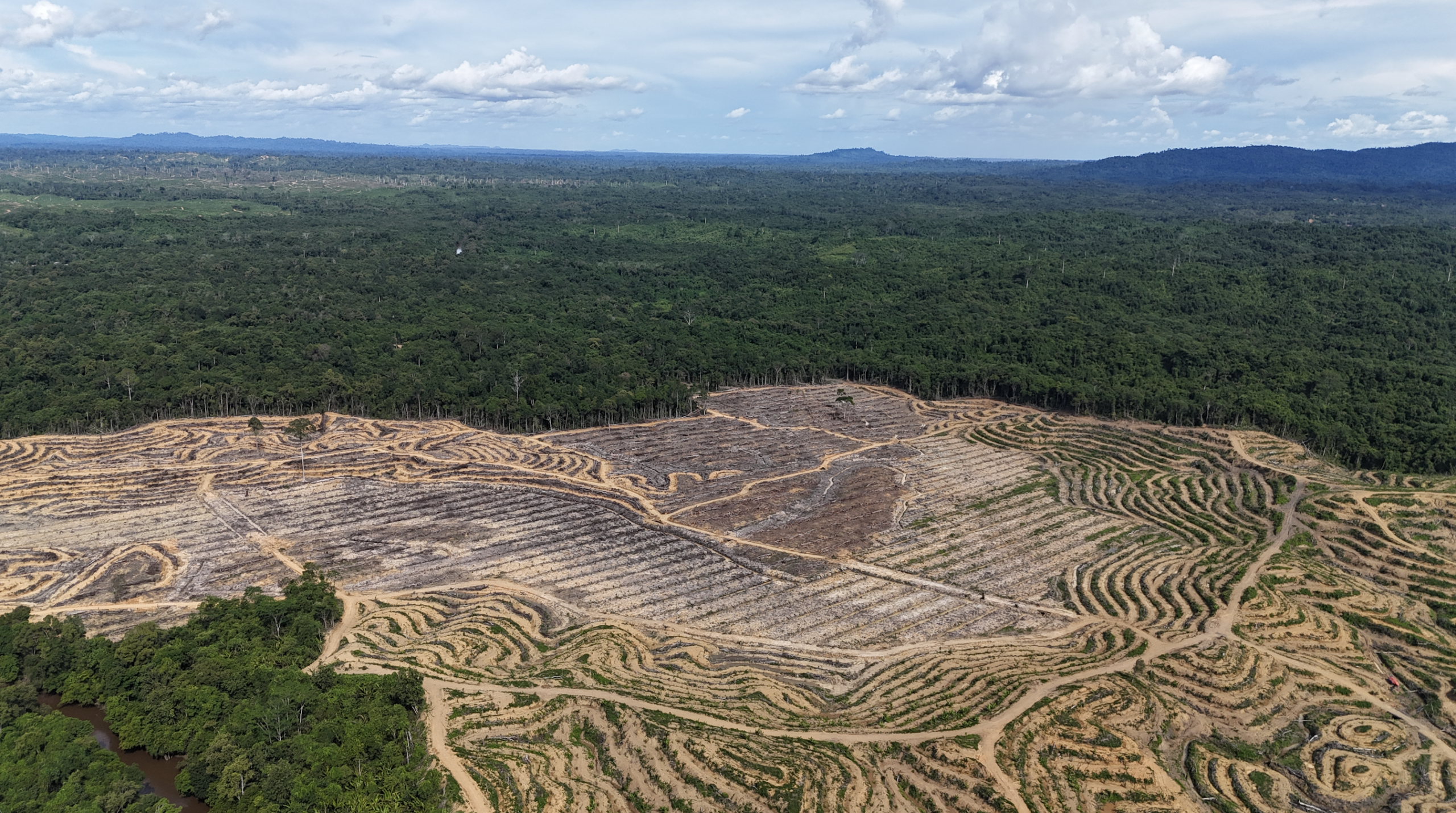
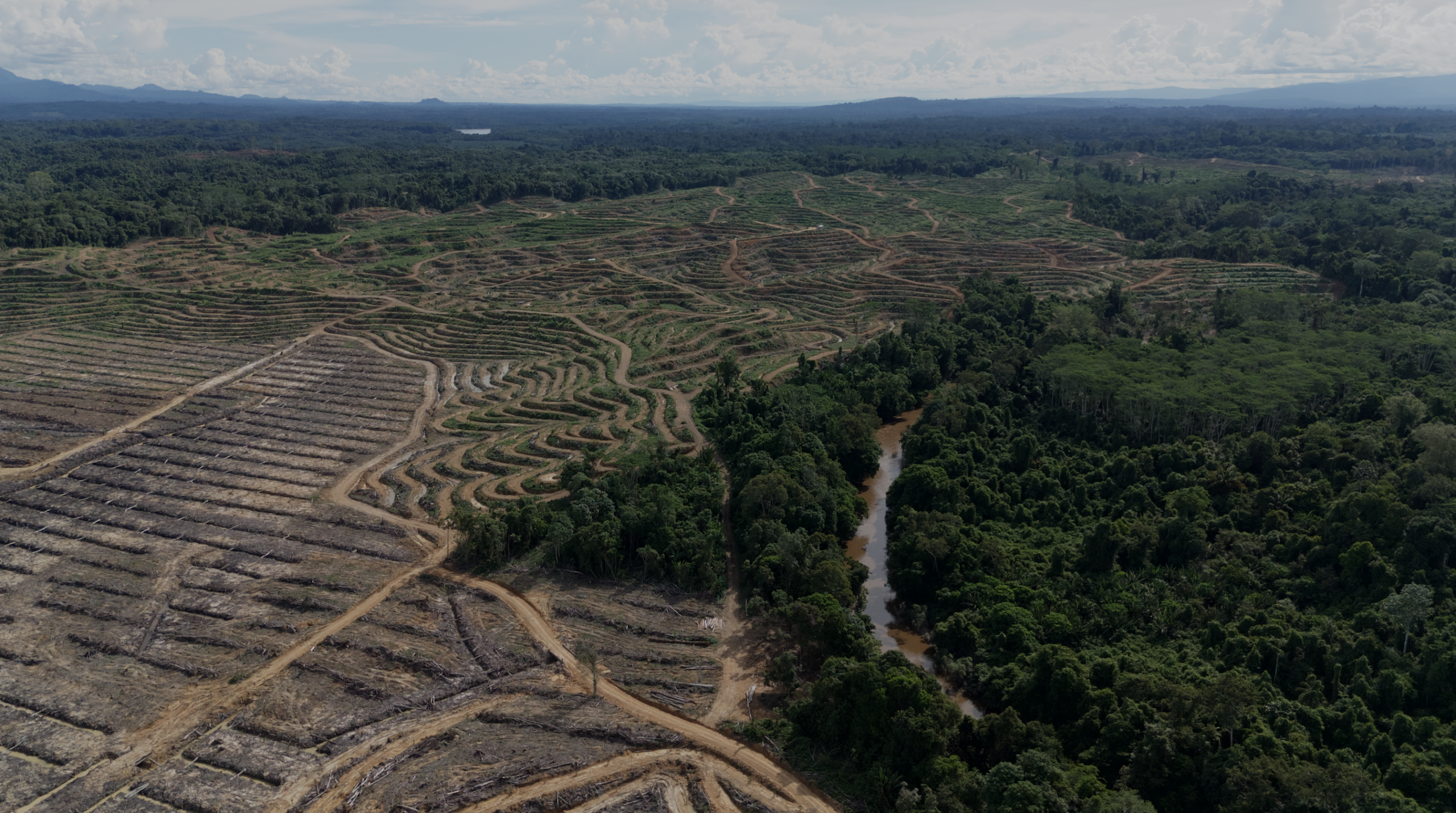
Oil palm concessions operating under ‘KAS Group’ are the largest drivers of deforestation within the Fangiono Group. RAN satellite analysis reveals that six KAS Group concessions in Mahakam Ulu and Kutai Barat cleared 8,796 hectares of natural forest between January 2021-May 2026.
RAN put our allegations to KAS Group but received no response.
First Resources Ltd
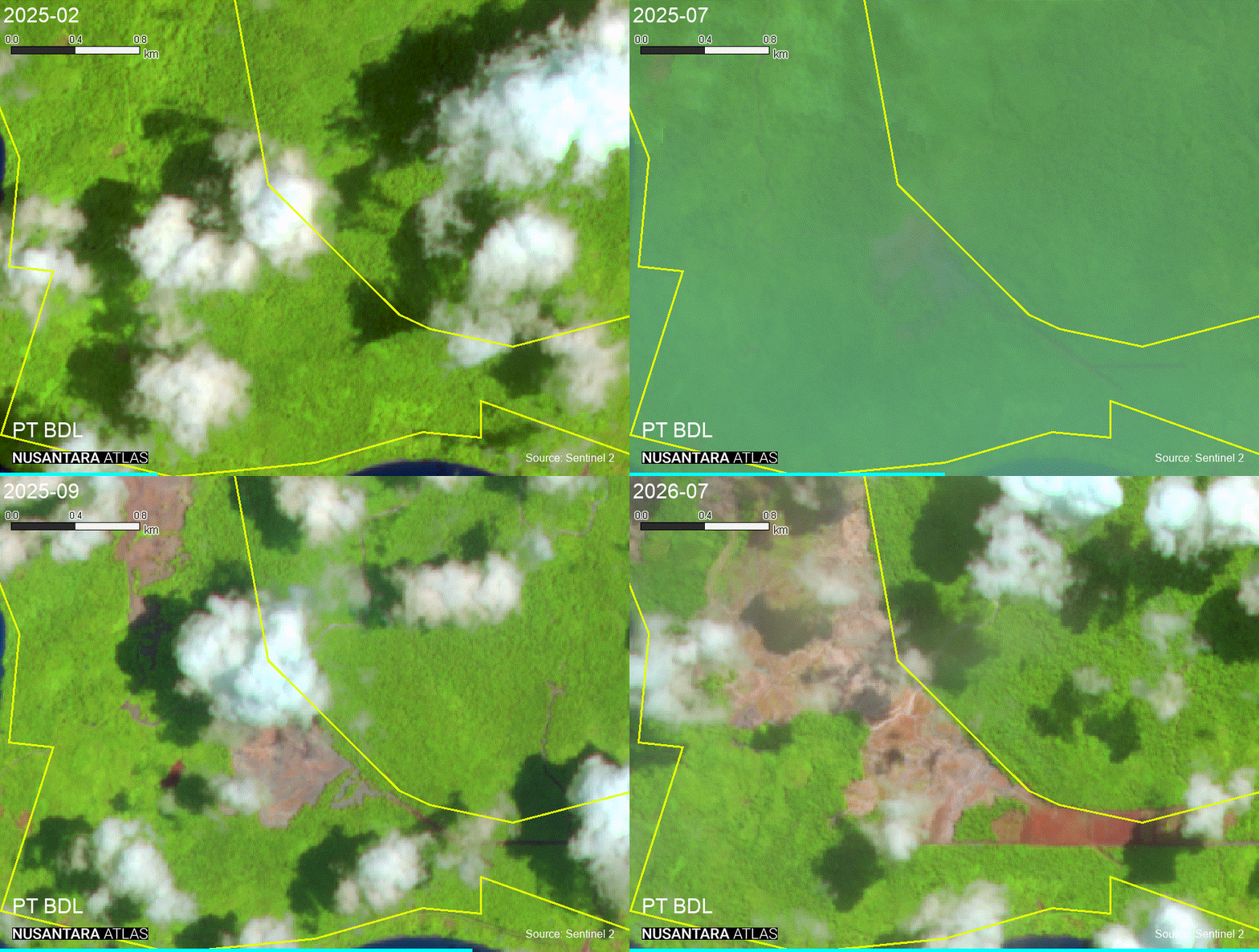
Our analysis demonstrates that First Resources is not only violating its NDPE commitments through its sourcing from FAP Agri and KAS Group. It is also deforesting in its own oil palm concession on the Mahakam River, PT Borneo Damai Lestari (PT BDL). Satellite analysis reveals that this concession alone has cleared 514 hectares between January 2021-May 2026, with the majority of the clearance occurring during or after 2025. Some of this conversion was abandoned rubber plantation, however, the southeast and southwest areas of the concession were natural forest.
In response to the allegations, First Resources stated that the areas developed in PT BDL were not classified as HCV or HCS according to its assessors.
Conclusion: Banks, Traders and Buyers Enabling the Fangiono Group
Major banks from Indonesia, Singapore, Japan and Malaysia have provided US$1.2 billion in credit to the Fangiono Group between January 2021 and September 2026. During this period, First Resources received US$450 million in credit from SMBC Group, UOB, DBS and Maybank. For FAP Agri, Bank Central Asia is the most significant financier, lending US$267 million over the same period. Another Fangiono Group company – Austindo Nusantara Jaya – also received substantial credit US$517 million up to its acquisition by First Resources in May 2025. This credit was issued by Bank Rakyat Indonesia, CIMB, OCBC, SMBC Group and UOB.
All these banks – except Bank Rakyat Indonesia – have No Deforestation, No Peatland, No Exploitation (NDPE) policies which cover clients in the palm oil sector. However, these policies range in their strength, implementation and enforcement. The findings from this case demonstrate that First Resources is not compliant with its own nor its bankers’ NDPE policies, and the same applies to FAP Agri. Both companies have outstanding loans which should be investigated and addressed by the banks’ risk management and compliance teams. These include SMBC Group, DBS and UOB for First Resources, and BCA for FAP Agri.
RAN’s field investigations tracked the laundering of palm oil from KAS Group-controlled plantations driving deforestation in Mahakam Ulu through the PT CAK bulking station and onward to refineries in Balikpapan Bay. From there, palm oil falsely declared as NDPE compliant enters international supply chains via large trading companies.
Today, NDPE policies have become the norm for both palm oil traders and the large brands driving demand for palm oil. Implementing these policies depends in part on suppliers providing truthful information about where their palm oil comes from and how it is produced. Brands and traders have a responsibility to verify those claims. But when a supplier deliberately conceals the origin of its palm oil, it undermines the information on which those checks depend. Buyers can no longer take that supplier’s assurances at face value.
This loss of credibility extends across the Fangiono corporate group. Cutting ties with individual plantations or facilities exposed by an investigation leaves buyers relying on assurances from other parts of the same group. The problem cannot be resolved simply by changing which subsidiary sells the oil or which facility handles it.
The wider Fangiono group supplies major palm oil traders, including Wilmar, Cargill, ADM, Bunge, Barry Callebaut, and Olam, and is linked to the supply chains of household brands including PepsiCo, Mondelēz, Nestlé, Kellanova, and Hershey.
RAN is calling on brands and traders to exclude the entire Fangiono group from their supply chains until independent verification confirms that the group meets NDPE requirements across all of its operations.
This story was produced by Rainforest Action Network and based on our own investigation and analysis. It is published in parallel with the Environmental Investigation Agency and Kaom Telepak report ‘Corporate Connections and Unanswered Questions: The links between KAS Group and the Fangiono palm oil empire’. Some background data was shared during the research process.
